Which Pinetop Setting Fits Your Home Search?
Which Pinetop Setting Fits Your Home Search?
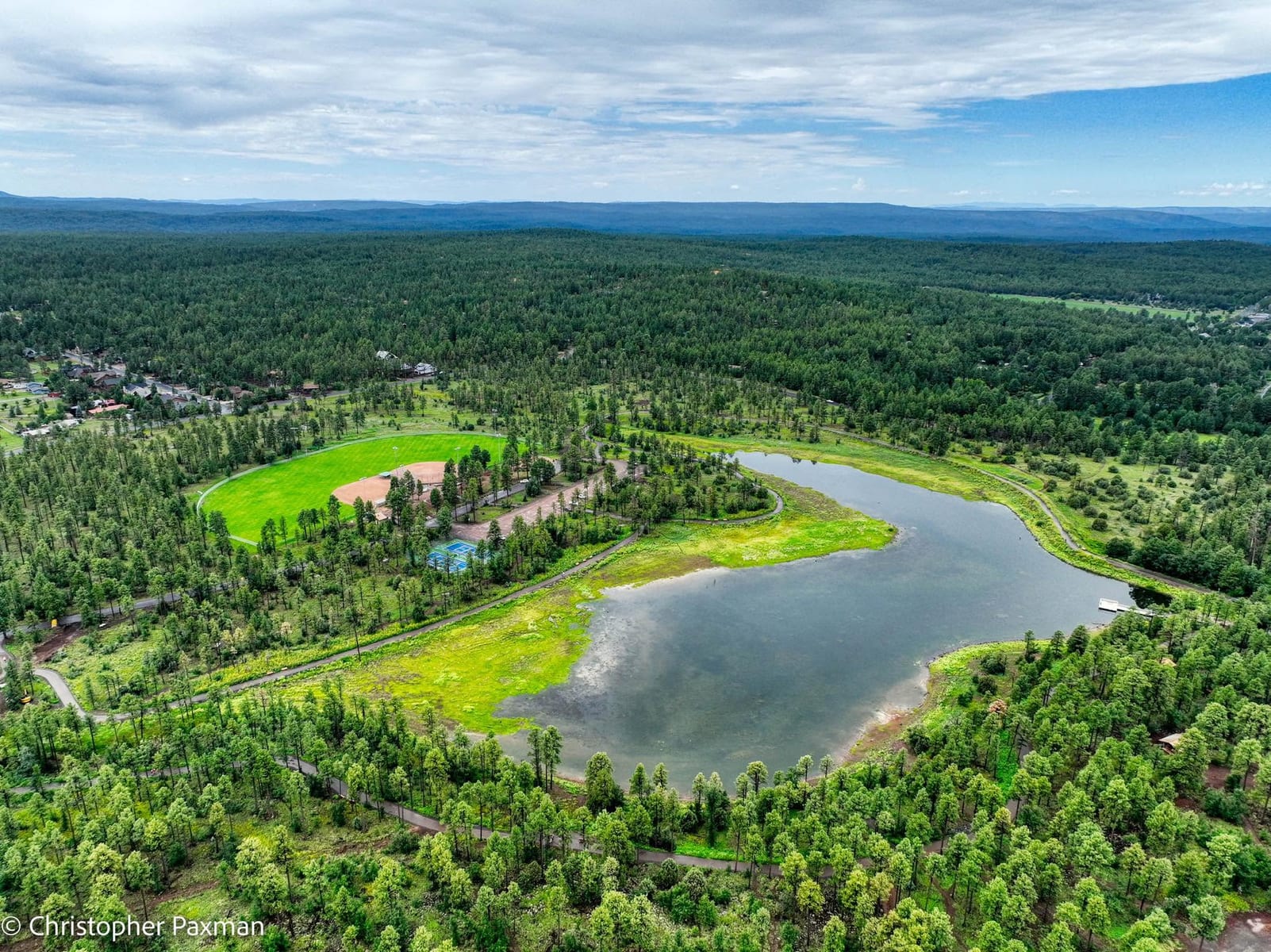
Pinetop's setting types — wooded cabin, golf and country club area, National Forest-adjacent, corridor convenience — each come with different ownership expectations. Here's how to match the setting to how you actually plan to use the home.
The right Pinetop setting depends less on which area sounds most appealing and more on how you want the home to function. A golf-adjacent home, a lake-adjacent pocket, a wooded cabin setting, an HOA community, a forest-edge property, or a corridor-convenience location can all make sense, but each one changes your privacy, maintenance exposure, amenity access, daily convenience, and whether the place works for part-time or full-time use.
Think of this as an area-fit decision, not a neighborhood ranking. Pinetop is full of great locations, so the question is which residential setting matches what’s most important to you?
Quick answer: how should you compare Pinetop settings?
Start with your ownership vision. If you want amenities, association structure, and a more recreation-oriented home base, golf-adjacent or country club-area settings may fit. For a simpler ownership setup, some HOA, condo, or townhome settings can reduce certain responsibilities, though they won't make the property hands-off.
If your priority is privacy, tree cover, and a classic mountain feel, a wooded cabin setting or forest-edge property may be the better match. If you plan to live in Pinetop full-time, work remotely, or make regular trips for groceries, healthcare, and services, corridor convenience may matter more than you'd expect.
If water proximity is part of how you picture the property, Rainbow Lake on the Lakeside part of town is close enough that many buyers searching Pinetop consider them. Woodland Lake is within Pinetop itself, with a handful of homes near the public park setting without the same HOA and access complexity.
These are setting examples, not rankings or guarantees. What you find at the exact property level still matters.
| Your question | Why it matters in Pinetop |
|---|---|
| How often will you be there? | Full-time, seasonal, weekend, and occasional-use ownership create very different setting needs. |
| How much upkeep do you want? | Wooded, lake-adjacent, HOA, condo, and corridor settings can carry very different maintenance expectations. |
| How much privacy do you want? | More wooded or forest-edge settings tend to feel quieter; more convenient locations may feel less secluded. |
| Do you want amenities or fewer rules? | HOA and club-adjacent areas may offer structure and amenities, but the rules and dues need review before you assume they fit. |
| How much convenience do you need? | Pinetop is car-dependent, so your exact location matters for errands, services, healthcare access, and winter practicality. |
Golf and country club-adjacent settings
If you want a mountain home that feels connected to recreation and neighborhood structure rather than a completely independent cabin in the woods, golf-adjacent and country club-area settings are worth considering. Pinetop Lakes, Pinetop Lakes Country Club area, Pinetop Country Club area, and White Mountain Country Club area are examples of local contexts you may encounter in this lane.
The appeal is real, but "golf-adjacent" shouldn't be treated as shorthand for easy or low-effort ownership. Before you prioritize this type of setting, be clear on what you're expecting: Are you assuming amenity access that requires separate membership verification? Are you expecting a lock-and-leave property that turns out to have HOA maintenance obligations? Does the association structure match how you plan to use the home part-time?
The deeper details on dues, rules, and ownership structure belong in property-level review once you identify a specific home. But at the setting-selection stage, you have to weigh whether the overall setup matches your expectations, regardless of whether the area sounds appealing.
National Forest-adjacent settings
Some of Pinetop's most appealing properties back directly to US Forest Service land — a setting that appears repeatedly in listings and carries genuine buyer appeal: privacy, an unbuilt backdrop, trail access from the property, and a forested character that HOA communities and corridor homes can't replicate. Pinetop Country Club, Sky-Hi Retreat, and parcels along Forest Service road corridors are among the contexts where this comes up most often.
The appeal is real, but USFS adjacency has its own set of questions that buyers sometimes overlook. What the Forest Service land allows — and doesn't — along the property boundary, how Forest Service roads function for access and recreational use, what defensible-space requirements look like when the forest starts at your back fence, and how insurance underwriters approach properties on the forest edge are all worth understanding before the setting becomes the reason you buy. A dedicated page on buying a Pinetop home with National Forest access covers those specifics.
If lake proximity is a priority rather than forest adjacency, Rainbow Lake and the surrounding neighborhoods are worth exploring just to the west in Lakeside. The Lakeside lake second-home page is the right starting point for buyers drawn to that setting.
HOA, condo, and lower-maintenance settings
If you'd rather have more structure and a property type that may be easier to manage than a standalone wooded cabin, HOA, condo, townhome, and association-governed settings are worth a look. Sports Village III, Pinetop Country Club Village, and other association-influenced settings fall into this broader category.
The appeal here is a cleaner ownership framework: defined rules, community standards, shared common-area care, and a property type that may feel more practical for seasonal or occasional use.
The key caution: lower-maintenance doesn't mean no-maintenance. And association structure can reduce some responsibilities while adding rules, dues, and approval processes that surprise part-time owners. At the setting-selection stage, the right question is whether you want that kind of structure at all. The deeper details should be reviewed once you're evaluating a specific property.
If Pinetop Lakes or a country club-area setting is in the mix, that context deserves its own closer look before you assume the ownership structure fits your plan; there's more to evaluate there than in a standard HOA setting.
Wooded cabin and forest-edge settings
If privacy, tall pines, quieter lots, and a genuine sense of retreat are what you're after, wooded cabin settings and forest-edge properties often deliver what draws people to Pinetop in the first place. Sky-Hi Retreat, Woodland Hills, and other more heavily wooded residential pockets are examples of settings where that mountain-home feel is strongest.
But this is also where ownership asks more of you than any other setting type in Pinetop, and it's worth being specific about what that means. Pine needles accumulate fast and pull your gutters, rooflines, and decks into a maintenance cycle that's seasonal but relentless. Defensible space — clearing vegetation around the structure to reduce wildfire exposure — is an active, ongoing responsibility. Finding reliable local help for tree work, roof clearing, and general exterior upkeep can be harder than you'd expect in a market this size, especially for part-time owners who aren't there to coordinate in person.
None of that makes a wooded cabin setting the wrong choice. For many people it's exactly the right one. To determine if it’s right for you, you have to decide whether you want the quieter, more private feel enough to accept the practical ownership tradeoffs that tend to come with it.
Corridor-convenience settings
If you want the Pinetop setting without feeling too removed from groceries, restaurants, retail, services, schools, healthcare routes, and the broader Pinetop-Lakeside and Show Low service network, a home closer to White Mountain Boulevard or other practical access points may suit you better than something tucked deeper into the pines.
This setting is often underrated by people who focus first on scenery. Pinetop is generally car-dependent — most of daily life still requires driving — and if you plan to live in the home year-round, work from it, or just avoid feeling too isolated during winter weather, a more convenient setting can be worth prioritizing over maximum seclusion.
The tradeoff is privacy. Corridor-adjacent properties may have more road activity and a different feel than deeper wooded settings. For many full-time and frequent-use owners, that's a fair exchange. For others, the whole reason to own in Pinetop is the quieter, more tucked-away feel, and this setting won't deliver that.
One more thing to consider about Pinetop's overall character: the community skews older. Pinetop draws a significant number of retirees — people who came for the pines, the golf, and a slower pace, and many prefer the town stays that way. If you're still in the workforce or have school-aged children that make school options and local economic growth important signals of neighborhood trajectory, that community character is worth factoring in. It's not a reason to avoid Pinetop, but it shapes the social fabric and local priorities in ways that affect daily life more than a listing description will tell you.
Best fit / less ideal fit
| Setting | Best fit | Less ideal if | Verify first |
|---|---|---|---|
| Golf-adjacent or country club-area | You want recreation proximity, an established residential feel, and possible amenity access. | You want maximum independence, a purely private cabin feel, or minimal association involvement. | Whether the association structure, amenity assumptions, and lock-and-leave practicality match what you expect. |
| National Forest-adjacent | You want an unbuilt forested backdrop, direct trail access, maximum privacy, and a setting that feels genuinely remote while still being near town. | You want minimal maintenance complexity, or the insurance and defensible-space requirements of a forest-edge property feel like more than you want to manage. | What USFS adjacency means for the specific parcel — road access, boundary restrictions, defensible-space obligations, and how underwriters treat the location. |
| HOA, condo, or townhome | You want more structure and a potentially simpler ownership setup for part-time or seasonal use. | You don't want dues, shared governance, rules, or association review processes. | What the association handles versus what remains your direct responsibility. |
| Wooded cabin or forest-edge | You want privacy, pine cover, and a classic mountain-home feel. | You want minimal exterior upkeep, easy vendor access, or the most hands-off seasonal ownership possible. | Whether you're prepared for pine-needle accumulation, defensible-space upkeep, and finding reliable local help, especially as a part-time owner. |
| Corridor convenience | You want easier access to errands, services, healthcare routes, and everyday needs. | You want the quietest, most secluded mountain setting and are willing to trade daily convenience for it. | Whether easier access outweighs the loss of a more tucked-away feel for how you plan to use the home. |
Key tradeoffs
Privacy vs. convenience. The more tucked away the property feels, the more you should think through road access, service logistics, and what daily life looks like when the property becomes your primary base.
Amenities vs. autonomy. Golf-adjacent and HOA settings may offer structure or recreation access, but they come with rules, dues, and shared decision-making that some owners find useful and others find limiting. Know which side of that line you're on before narrowing your search.
Lake proximity vs. actual use. A lake-adjacent location can carry real value, but separate proximity from view, access, and use rights before treating nearness to water as a given benefit.
Cabin character vs. ownership effort. Wooded cabin settings can deliver the Pinetop feel most people picture, but they usually ask more from the owner than a simpler property type, particularly for anyone managing the home part-time from a distance.
Part-time ease vs. property reality. Some settings are more compatible with seasonal or occasional use, but the exact property still shapes how practical the home will be. Setting is a filter, not a guarantee.
What to consider before choosing a Pinetop setting
At this stage, the goal isn't to complete full property due diligence. It's to avoid choosing a Pinetop setting based on assumptions.
| Setting factor | What to clarify before narrowing your search |
|---|---|
| Access pattern | Is the setting easy enough for how often you plan to use the home, especially in winter when road conditions and snow removal responsibility vary by location? |
| Association context | Are you looking for structure, shared amenities, and defined rules, or would that feel restrictive given how you plan to use the home? |
| Lake proximity | Are you prioritizing atmosphere, views, usable access, or simply being near the water? |
| Maintenance exposure | Does the setting feel compatible with the amount of upkeep you want to manage, including seasonal exterior work and winter prep? |
| Service convenience | How important are grocery runs, healthcare routes, dining, retail, and other local services to how you'd live in or use the property? |
| Utilities and internet | Could exact-address service availability — water provider, internet reliability, sewer arrangement — become a deciding factor between otherwise similar homes? |
Once a specific property gets serious, then move into deeper review: HOA documents, road responsibility, utilities, internet performance, insurance, maintenance expectations, and inspection findings. For now, the goal is simpler: choose the setting that fits your daily use, privacy needs, and ownership tolerance before you fall in love with a house that works against your plan.
Related local questions
Is there one best Pinetop setting?
No. Pinetop is better understood by area fit than by ranking. A golf-adjacent setting, lake-adjacent pocket, wooded cabin, HOA community, or corridor-convenience location can all be the right choice depending on how you plan to use the home.
Are HOA settings in Pinetop easier for part-time ownership?
Sometimes, but that depends on the specific property and association. HOA, condo, and townhome options may appeal if you want more structure. They still need careful review before you assume they're truly easier to own part-time — dues, rules, rental restrictions, and what the association covers all vary.
Is a wooded cabin setting harder to maintain in Pinetop?
Generally, yes. Wooded settings can mean more pine-needle cleanup, defensible-space upkeep, and coordination with local help, especially if you are not in town full-time. The setting can still be the right fit if privacy and cabin character matter more than a simpler ownership setup.
Is lake-adjacent ownership available in Pinetop?
The lake corridor — Rainbow Lake, Lake of the Woods — is more associated with Lakeside rather than the Pinetop side of town. Woodland Lake is closer to the Pinetop side of town, but with minimal residential development around it. Buyers drawn to lake-oriented ownership are generally better served starting their search in Lakeside; we cover Rainbow Lake's HOA communities, access structures, and ownership complexity in detail on the Lakeside lake and second-home page.
Is corridor convenience worth giving up some privacy in Pinetop?
For full-time and frequent-use owners, often yes. Easier access to errands, services, healthcare routes, and winter travel can matter more in daily life than most people expect. If you're looking for a quieter retreat and a more secluded feel, a deeper wooded setting may still be the better match.