Should You Buy Inside Show Low City Services or on the Rural Edge?
Should You Buy Inside Show Low City Services or on the Rural Edge?
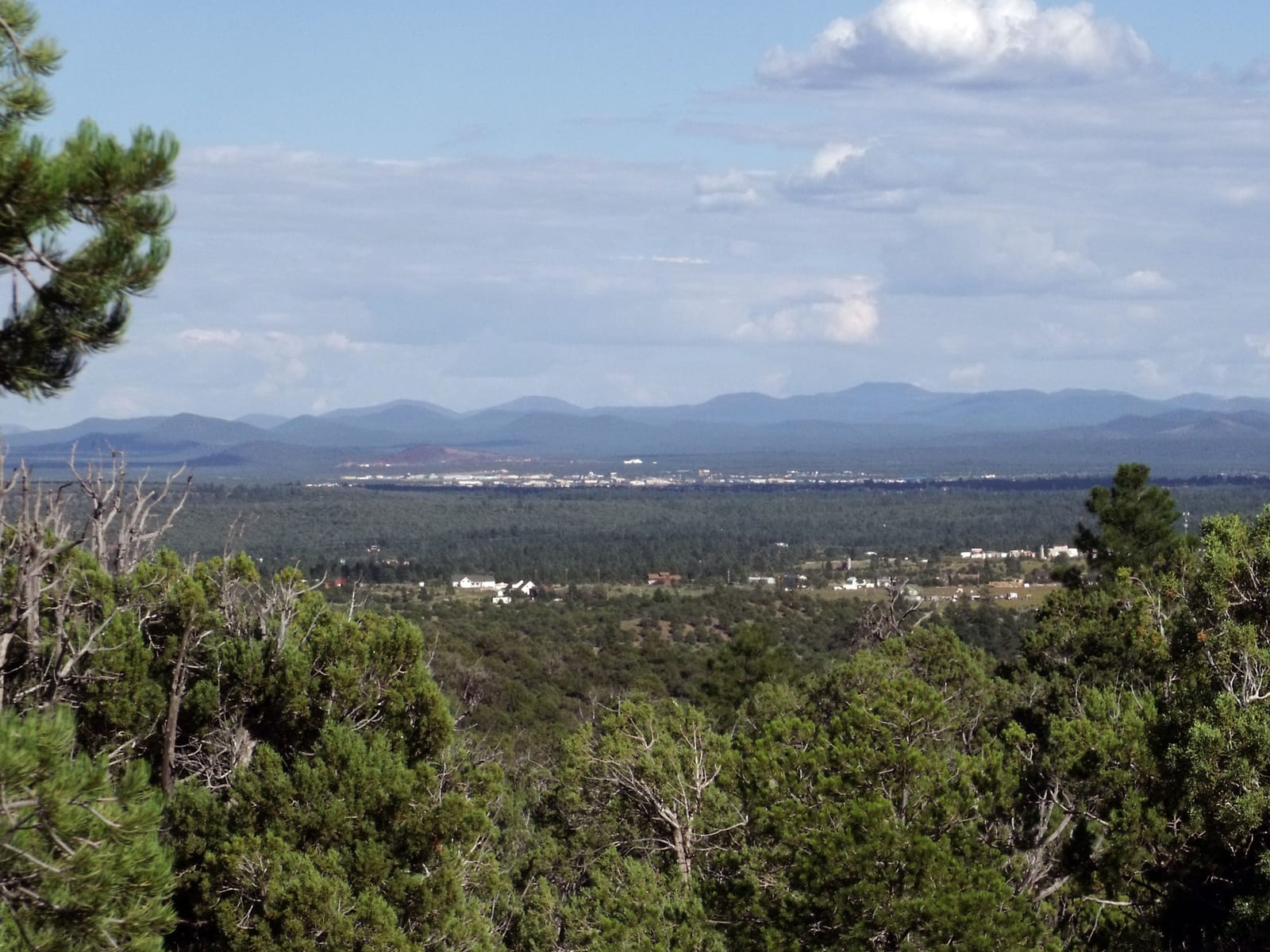
A Show Low address doesn't guarantee city services. Two properties at similar prices can have very different realities for water, wastewater, trash, road maintenance, internet, insurance, and winter access depending on whether the home sits inside city-service boundaries or on the rural edge.
Buying inside Show Low city services typically gives you a more predictable ownership setup. Rural-edge properties can offer more space and privacy, but they require more infrastructure diligence before you assume the home will function the same way as a more central in-town address.
Lot size and setting tell you less than the service setup does. Two properties can share a Show Low address while having very different realities for water, wastewater, trash, internet, road maintenance, snow access, and ongoing upkeep. Understanding which side of that line a property falls on is one of the more important Show Low due-diligence steps — and one out-of-area buyers often underweight.
If you're still deciding whether Show Low makes sense as a base at all, the practical home base page covers that broader question first.
Quick answer
Properties inside Show Low's city-service boundaries usually come with clearer answers on water, wastewater, trash, public road maintenance, and utility setup. Rural-edge properties can offer more land, privacy, and a less in-town feel, but they require checking for systems that central properties may consistently have in place.
| System | Inside city-service area | Rural edge |
|---|---|---|
| Water | City water likely; cleaner verification path | Well water common; condition, rights, and capacity need separate verification |
| Wastewater | City sewer may be available | Private septic typical; condition and adequacy need verification |
| Trash | Residential trash service generally available | May be outside service corridors; private haul or self-haul may apply |
| Road maintenance | Public road maintenance generally applies | HOA-maintained, POA, or private roads common; snow removal not guaranteed |
| Internet | More provider options, generally better coverage | Varies; satellite or fixed wireless may be the primary option |
| Snow access | Publicly maintained roads more consistent | Private or HOA road maintenance varies; seasonal access may depend on HOA or owner |
Why a Show Low address does not always mean city services
This is the part of the Show Low search that surprises out-of-area buyers most consistently. A listing with a Show Low address — or a property inside the general Show Low area — can still be on well water, private septic, an HOA-maintained or private road, and outside reliable trash and internet service corridors. The address tells you the mailing location. It does not tell you which systems serve the property.
The rural-edge premium is land and privacy, but it also comes with an obligation to verify and manage systems an in-town property may already have simplified. A rural-edge property that looks like a better value on paper may carry more time, money, and planning to own than a central address once water, septic, road maintenance, snow access, insurance, internet, and maintenance logistics are factored in.
What city-service access may simplify
Inside the more service-connected parts of Show Low, the core ownership systems are easier to confirm before closing. City water, wastewater, residential trash service, and public road maintenance may all have clear answers that don't require parcel-by-parcel verification. Central Show Low also tends to be more accessible to errands and services than rural-edge properties, even though most daily life still requires a car.
This matters especially if you're buying from outside the area, planning part-time use, or want a property that's easier to manage from day one. Fewer separate systems to confirm means fewer variables between offer and close.
Some newer Show Low subdivisions may also offer a more predictable service setup, with water, wastewater, roads, internet, and utility connections already established. Newer construction inside the city-service area doesn't remove the need for due diligence, but it can reduce some of the unknowns that come with older or rural-edge properties.
What rural-edge buyers need to verify
The rural edge of Show Low has real appeal. Larger lots, more space between homes, stronger privacy, and a property feel that isn't tied to in-town patterns are genuine advantages for the right buyer. A rural-edge property may require separate confirmation for water, sewer or septic, trash, road maintenance, winter access, internet, utility connections, and fire-response logistics.
Finding that out late in escrow is a real risk, and a standard home inspection may not surface all of it.
Best fit / less ideal fit
City-service access fits better if you want a more predictable ownership setup, fewer service-boundary questions, easier utility confirmations, and less uncertainty around public road maintenance and trash. It's generally the more manageable path if you want a Show Low property that's straightforward to own from day one.
The rural edge fits better if you want more land, stronger privacy, room for equipment or outdoor uses where allowed, and a property that doesn't feel tied to in-town patterns. It works best when you're comfortable doing additional infrastructure diligence and the added space is worth the extra verification work.
Rural-edge properties are harder to justify if you expect uniform internet access, easy lock-and-leave ownership, simple snow access, predictable trash service, or a home where every service question is obvious from the listing.
Key tradeoffs
Service predictability versus space
More centrally located properties usually make it easier to confirm water, wastewater, trash, road maintenance, utility setup, and everyday access. Rural-edge properties may offer more room and a quieter feel, but the list of property-specific checks is longer — and those checks take time, cost money to complete properly, and can surface issues that change the purchase calculus.
Municipal wastewater versus septic diligence
Municipal wastewater usually removes one major inspection variable. Septic adds questions about system condition, capacity, maintenance history, location, and any inspection or transfer requirements before contingencies come off.
Public water versus well or private source
Municipal water simplifies service expectations. On rural parcels, confirm water source, pressure, storage, well condition, hauling setup, or service availability at the specific address. A general "water is available" assurance in a listing is not enough.
Public roads versus private-road responsibility
Road status matters more in a mountain market than many out-of-area buyers expect. Confirm whether the road is public, private, or association-maintained, then ask how snow removal works, who pays for maintenance, and whether access holds up during winter storms.
Internet availability versus address-level service
Sparklight and Frontier Fiber both serve Show Low, but coverage changes by address. A provider serving the broader community doesn't guarantee that the specific home has the speed, upload reliability, or installation path you need. If remote work, security cameras, or smart-home systems matter to you, confirm service at the exact address before closing.
Insurance simplicity versus rural-edge review
Properties farther from city services, on larger wooded lots, or with more complex access can face different wildfire-exposure ratings, coverage questions, and premium levels than more central in-town homes. Get insurance quotes early, before you're deep in escrow, so that coverage terms don't surface as a surprise after contingencies are off.
How service boundaries affect inspections and contingencies
The more rural-edge or self-managed the property is, the less you should rely on a standard home inspection alone. Septic inspections, well checks, utility confirmations, driveway and drainage review, and winterization assessment can all be relevant depending on the property's setup. Before contingencies come off, you should know what serves the home and what you'll be responsible for maintaining — not just whether the home functions today, but how it gets maintained over time.
What to verify before you commit
Service boundaries: Confirm directly with the City of Show Low or the relevant provider whether the property is inside municipal water, wastewater, and trash service areas. Don't rely on the listing or a general coverage map.
Water and wastewater: Know the exact setup: municipal water, well, hauled water, municipal wastewater, or septic. For septic, get system condition, capacity, maintenance history, and inspection documentation before removing contingencies.
Roads and snow access: Confirm whether the road is public, private, or association-maintained. Ask who handles snow removal, what that covers, and whether access is realistic during winter weather and extended absences.
Internet and utilities: Confirm provider availability, upload speeds, and backup options at the exact address directly with the provider. Also confirm electric, gas or propane setup, and any utility connection costs relevant to your intended use.
Insurance: Get quotes for the specific address before you're deep in escrow. Ask about wildfire exposure, access, roof condition, and any mitigation requirements. Insurance terms on rural-edge and wooded properties can differ significantly from in-town homes.
HOA and maintenance obligations: Confirm any HOA, road association, architectural, rental, or maintenance rules attached to the property. Ask about fees, reserves, and what responsibilities transfer with ownership.
Related local questions
Does a Show Low address guarantee city utilities?
No. A Show Low mailing address doesn't automatically confirm municipal-service access. Verify water, wastewater, trash, road maintenance, and internet service for the specific property before assuming they're in place.
Are rural-edge properties in Show Low a bad idea?
Not if you want more space, privacy, or a less in-town setting. The infrastructure and maintenance responsibilities are different, and whether that works depends on your use case and tolerance for the additional due diligence.
Is internet reliable enough for remote work in Show Low?
It can be, but availability varies by address, especially outside more developed areas. Confirm provider availability, upload speeds, and backup options for the specific property directly with the provider before closing.
Does the rural edge affect insurance quotes?
Yes. Properties farther from city services or on larger wooded lots can face different wildfire-exposure ratings, access considerations, and coverage questions than more central in-town homes. Get quotes early and confirm coverage for the specific address.
What surprises buyers most about rural-edge ownership in Show Low?
Most buyers focus first on lot size and privacy, then realize road maintenance, snow access, septic, internet, trash, and utility setup matter just as much as the house itself. The value of due diligence is surfacing those issues early enough to affect the purchase decision.