Is Snowflake Really in the White Mountains, or Is It More High Desert?
How does Snowflake’s open high-desert ownership experience compare to the forested, lake-adjacent, or cabin-oriented White Mountains setting buyers may have pictured?
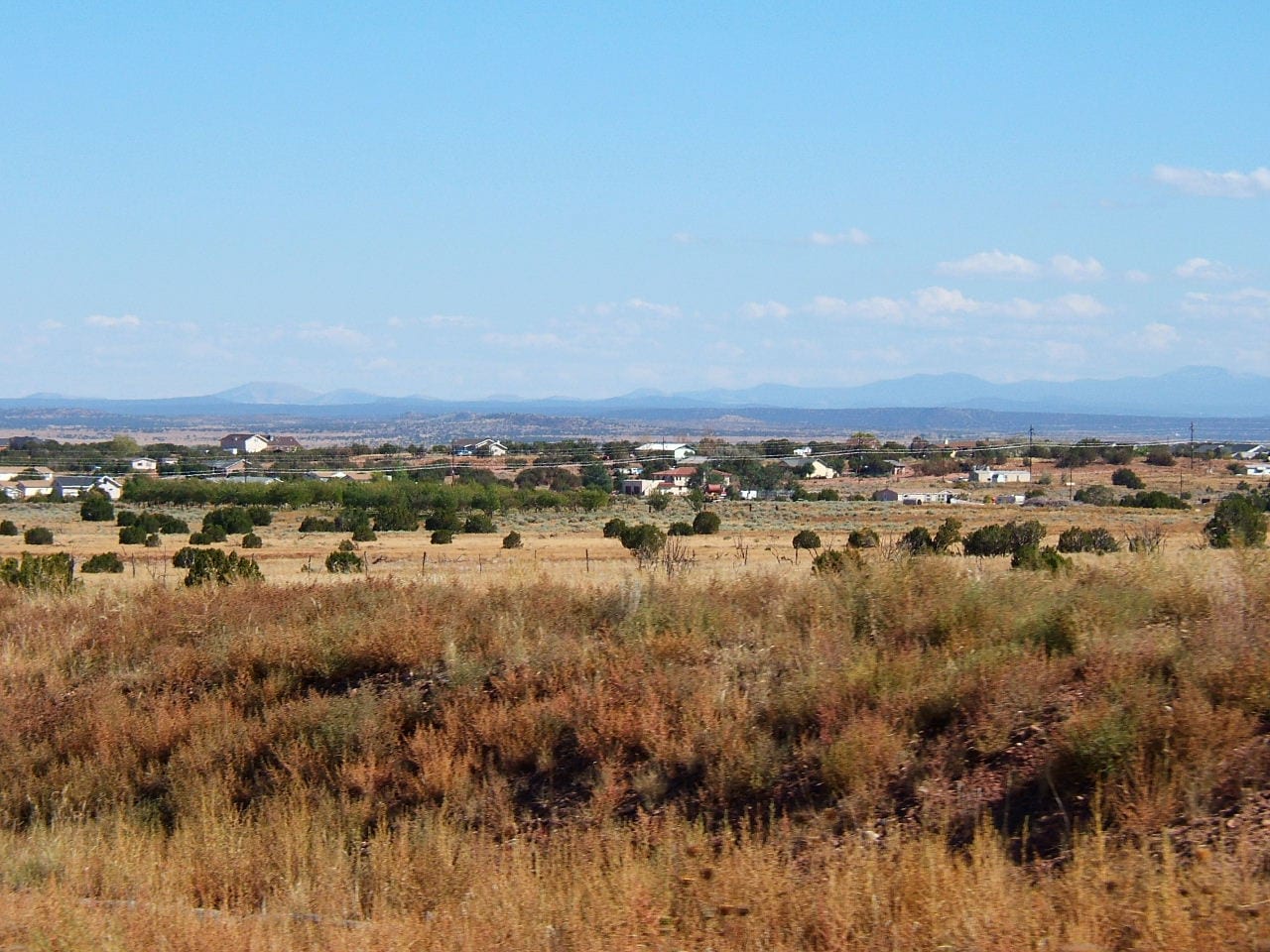
Snowflake shows up alongside Pinetop and Show Low in White Mountains searches, but the setting is open high desert rather than pine forest — and that changes the climate, the maintenance demands, and the ownership experience in ways that matter before you make an offer.
If you've been searching White Mountains communities and Snowflake keeps showing up alongside Pinetop, Lakeside, and Show Low listings, you may have already noticed that something looks different. The listing photos don't have pine canopy. The landscape is more open. The lots are bigger and flatter. That's a real physical distinction that changes what owning a home in Snowflake is actually like.
Snowflake sits at roughly 5,600 feet in northeastern Arizona's high-desert plateau country, in a valley of sagebrush, grassland, and open mesa views. Show Low climbs to around 6,300–6,900 feet depending on the neighborhood. Pinetop-Lakeside sits at about 7,000 feet, with the forested lake-and-cabin character most buyers picture when they hear "White Mountains." Snowflake is part of the broader White Mountains region in the geographic and real estate search sense, but the ownership experience on the ground is its own thing.
The simple version: Snowflake is a White Mountains-area search result, not a pine-cabin market. It is better understood as a high-desert small town with open land, warmer summers, a very different snowfall profile from the communities above it, and a maintenance rhythm closer to a standard Arizona home than to a mountain cabin. That distinction matters before you make an offer.
Quick Answer
Snowflake's setting is high desert rather than pine forest, which means a different climate, different maintenance demands, different landscape feel, and a different kind of property than what you'd find in Pinetop, Lakeside, or the forested parts of Show Low. If you're drawn to open land, milder winters, lower-maintenance lots, and a wide sky rather than pine canopy, Snowflake's setting may suit you well. If you arrived expecting cabin country and found open desert instead, that gap is worth resolving before you go under contract.
What the Setting Looks and Feels Like
Snowflake's landscape is open: sagebrush, grassland, and wide mesa views rather than the ponderosa pine neighborhoods that define Pinetop and Lakeside. Properties sit on more exposed ground. Sightlines are longer. The sky takes up more of the view than the treeline does.
That's the visual side. The practical side follows from it.
Without pine canopy, there's more direct sun on structures, landscaping, and outdoor living areas. There's more wind exposure in an open valley setting. There's also more usable flat land on a typical Snowflake parcel than you'd find on an equivalently priced wooded lot in the pine belt, where slopes, drainage, and tree coverage reduce how much of the property you can actually use. For buyers planning acreage, outbuildings, animal space, or solar installations, that openness is a functional advantage. The acreage and property-type page goes into the specifics of what that means for property setup and due diligence.
How the Climate Compares With the Pine-Forest Communities
The temperature differences between Snowflake and the communities above it are real and sourced from NOAA 30-year normals, so these aren't impressions — they're the actual numbers.
Summer: Snowflake's average July high is 90°F. Pinetop's is 82°F. Show Low's is 85°F. Heber-Overgaard's is 83°F. That's a meaningful gap. Snowflake is significantly cooler than Phoenix or Tucson, but if maximum summer temperature relief is the primary reason you're searching the White Mountains, the communities 1,000–1,300 feet higher will deliver more of it.
Winter: Snowflake averages winter lows around 21°F in January, with highs around 50°F. Those lows are cold enough to matter for pipes, heating, and basic freeze preparation — particularly for vacant or part-time-use properties. Basic cold-weather diligence still applies here. What changes is the snowfall story.
Snowfall: Snowflake averages about 12.9 inches of snow per year. Pinetop and Lakeside average about 70 inches. That's not a small difference. Snow in Snowflake is a seasonal reality, not the defining ownership challenge it becomes in the pine belt. The extended accumulation, sustained freeze windows, and winterization demands that shape cabin ownership in Pinetop and Lakeside are much less relevant here. You'll see snow, but you probably won't be engineering your ownership plan around it.
Sun: Snowflake typically sees around 276 sunny days per year, which supports outdoor use, garden potential, and solar viability. With open lots and minimal shade obstruction, rooftop or ground-mounted solar is more practically viable here than on many forested mountain properties.
How Maintenance Differs From Forested White Mountains Homes
The pine-maintenance cycle that shapes ownership in Pinetop, Lakeside, and Heber-Overgaard simply doesn't apply in Snowflake. Pine needles don't accumulate on roofs and gutters. Defensible-space work looks different here. The tree-trimming, debris-clearing, and canopy-related upkeep that characterize wooded mountain lots are not Snowflake ownership concerns. Instead you’ll need to manage dry grasses, clear space around structures, wind exposure, and what insurers require for the specific parcel.
What takes their place is a different set of considerations. Wind exposure matters more on open lots: outbuildings, large structures, and exposed decks deserve attention to orientation and construction quality. Sun exposure affects exterior surfaces and landscaping differently than shade does. And while wildfire risk is generally lower here than in the pine belt — Snowflake's open high-desert setting doesn't carry the same fuel profile as a dense ponderosa pine forest — fire risk in any dry Arizona environment still deserves a parcel-level check before you close. The questions are different: less about trees overhanging roofs and pine-needle buildup, more about dry grasses, wind exposure, defensible space around structures, and address-specific insurance review.
Flooding is also worth flagging for Snowflake-area buyers. Properties along Silver Creek sit in FEMA Zone AE, a Special Flood Hazard Area, while most of the rest of Snowflake falls in Zone X. If you're considering a property anywhere near the Silver Creek corridor or Snowflake Boulevard, verify the FEMA flood map zone and insurance requirements for that specific parcel before you proceed.
Who the Open Setting Tends to Suit
Buyers who find Snowflake's high-desert character a genuine fit rather than a compromise usually share a few things.
They want usable land without a pine-forest maintenance overhead. Open acreage, flat parcels, and a lower-friction exterior upkeep cycle appeal to buyers who want space without the seasonal chore list that wooded mountain properties carry.
They find the open landscape itself appealing. High-desert Arizona has a distinct visual character: wide sky, mesa views, open horizon, and dramatic weather moving across unobstructed land. Buyers who connect with that kind of landscape often find Snowflake's setting more satisfying than the enclosed feel of a heavily forested lot.
They want milder winters with less property management. Averaging 12.9 inches of annual snowfall rather than 70, Snowflake's winter ownership rhythm is closer to a standard high-desert Arizona property than to a mountain cabin. For full-time residents and part-time owners alike, that simplifies the ownership equation considerably.
They're not primarily buying for cabin culture, lake access, ski proximity, or the resort-adjacent feel that drives most White Mountains second-home searches. If those aren't your reasons for buying here, Snowflake's setting stops being the odd one out and starts being the more practical choice.
Who May Be Disappointed
The buyers who struggle most with Snowflake's setting are almost always the ones who didn't realize how different it was until they were already well into the transaction.
If your picture of a White Mountains home involves waking up surrounded by tall pines, watching meaningful snow accumulate on a wooded lot, or having the cabin atmosphere that Pinetop and Lakeside deliver so well, Snowflake is going to feel like a mismatch. That's a clarity issue instead of a flaw in the community. The setting is simply different, and buyers who need the forested mountain feel should anchor their search should focus their search on Pinetop-Lakeside, Heber-Overgaard, Greer, or the forested parts of Show Low.
Similarly, if maximum summer coolness is your primary reason for buying in the mountains, Snowflake's average July high of 90°F may feel closer to what you were trying to escape than what you were hoping to find. The communities at higher elevations provide more dramatic relief.
How Snowflake Compares With Its Neighbors
Don’t interpret these as rankings, but as a quick reference they can be a helpful starting point for weighing Snowflake against other White Mountains communities.
Pinetop-Lakeside averages a 82°F July high, 70 inches of annual snowfall, dense ponderosa pine forest, lakes, cabin neighborhoods, and a strong second-home and resort identity. Maintenance centers on pine debris, defensible space, freeze protection, and wooded-lot upkeep. The setting is the primary product. Generally speaking, Lakeside has a more residential feel than Pinetop's resort side.
Show Low sits at a middle position: around 6,300–6,900 feet, 19.4 inches of annual snowfall, and a mix of pine subdivisions and more open areas. It functions primarily as a regional service hub rather than a setting destination, and its climate profile sits between Snowflake and the higher pine communities.
Heber-Overgaard is fully in the ponderosa pine belt, with a forested small-town character and a cabin and wooded-lot ownership profile similar to Pinetop.
Snowflake averages a 90°F July high, 12.9 inches of annual snowfall, and an open high-desert landscape. It shares the White Mountains region label with those communities but not the pine-forest ownership experience.
Best Fit / Less Ideal Fit
Snowflake's high-desert setting tends to work well if you want open land with lower exterior maintenance demands, a snowfall profile closer to standard Arizona than to mountain cabin country, more solar exposure and usable flat acreage, and a landscape character that feels expansive rather than enclosed. It's also a stronger fit if the cabin-and-pine-forest experience isn't driving your White Mountains search in the first place.
Snowflake's setting tends to be a harder fit if you specifically want pine forest, sustained mountain coolness, dramatic snowfall, lake access, cabin culture, or the classic White Mountains second-home atmosphere that Pinetop and Lakeside deliver. It's also a weaker match if maximum summer temperature relief is your primary reason for searching at this elevation.
Key Tradeoffs
Lower maintenance versus less tree cover. You trade the pine needle cycle, defensible space management, and wooded-lot upkeep for a more open, sun-exposed setting that requires its own solutions for shade, wind, and outdoor comfort.
Milder winters versus less winter character. Snowflake's 12.9 inches of average annual snowfall means simpler ownership than higher pine communities. Freeze preparation still matters, especially for vacant or part-time homes, but sustained accumulation and heavy-snow management are not the same ownership burden here. If a proper mountain winter is part of what you're buying, you'll find more of it in the higher communities.
Open, usable land versus a contained feel. Large, flat, open parcels give you flexibility and functional acreage, but they require more deliberate planning for shelter, privacy, and windbreaks than a wooded lot with natural boundaries tends to need.
More sun versus higher cooling costs. Nearly 272 sunny days per year and summer highs around 90°F are a real pairing. The solar potential is genuine, but so is the cooling load compared with the pine-belt communities.
What to Verify Next
Because Snowflake's setting is more open and less forested than nearby communities, a few checks deserve specific attention.
For any property near the Silver Creek corridor or Snowflake Boulevard, confirm the FEMA flood zone designation at the parcel level. Zone AE properties in that area carry flood insurance requirements that affect both annual costs and resale.
For acreage and rural-edge properties, wind exposure and lot orientation matter more in an open high-desert setting than in a forested one — factor those into your inspection and any plans for outbuildings or exposed outdoor structures. The acreage and property-type page covers the full property-setup picture.
If remote work is part of your plan, verify internet service at the specific address. The income and employment page covers the current connectivity landscape in more detail.
And if you're coming from a forested White Mountains search and adding Snowflake to your list primarily because of price, make sure you've also read about the community and ownership character before you tour. The community fit page covers what daily life there is really like.
Related Local Questions
Is Snowflake really part of the White Mountains?
Yes, in the regional and real estate search sense. But the ownership experience is high desert rather than pine forest, which puts it in a different physical and practical category from Pinetop, Lakeside, and Heber-Overgaard. Buyers who search "White Mountains homes" will find Snowflake listings alongside the forested communities, and understanding the setting difference before you narrow your search saves a lot of misdirected energy.
Does Snowflake get snow?
Yes, averaging about 12.9 inches per year according to NOAA 30-year normals. That's real winter weather that deserves basic freeze preparation, particularly for pipes and heating systems. It is not the sustained accumulation story of Pinetop or Lakeside, which average around 70 inches annually. Snow in Snowflake tends to come and go rather than define the ownership season.
How hot does Snowflake get in summer?
Average July highs are around 90°F based on NOAA 30-year normals. That's significantly cooler than Phoenix or Tucson, but warmer than Pinetop (82°F average July high), Show Low (85°F), and Heber-Overgaard (83°F). If maximum summer coolness is the main reason you're looking in the mountains, the communities higher in the pine belt deliver more of it.
Does Snowflake have pine trees like Pinetop or Lakeside?
No, not in the same way. Snowflake's setting is open high desert — grassland, sagebrush, and wide views rather than the dense ponderosa pine neighborhoods that characterize Pinetop-Lakeside and Heber-Overgaard. Individual properties may have trees, but the landscape character is fundamentally different. Buyers who want tall-pine surroundings should focus their search on Pinetop-Lakeside, Heber-Overgaard, Greer, or the forested parts of Show Low.
Is wildfire risk lower in Snowflake than in the forested communities?
The risk profile is different rather than simply lower. Snowflake's open high-desert setting doesn't carry the same pine-canopy fuel profile as the forested communities, so the defensible space management and tree-proximity concerns that affect Pinetop and Lakeside ownership are less relevant here. Dry grasses, wind, and seasonal conditions still create fire exposure worth checking at the parcel level, and address-specific insurance review applies here as it does everywhere in rural Arizona.
Why do Snowflake listings show up in White Mountains searches alongside Pinetop and Show Low?
Because Snowflake is part of the broader White Mountains region, and most search tools don't filter by elevation or landscape character. That's useful for casting a wide net, but it means buyers may end up comparing properties with meaningfully different settings without realizing it. The listing price may look similar; the ownership experience won't be.