Is Snowflake Really a Cheaper Way to Buy Into the White Mountains Region?
Is Snowflake Really a Cheaper Way to Buy Into the White Mountains Region?
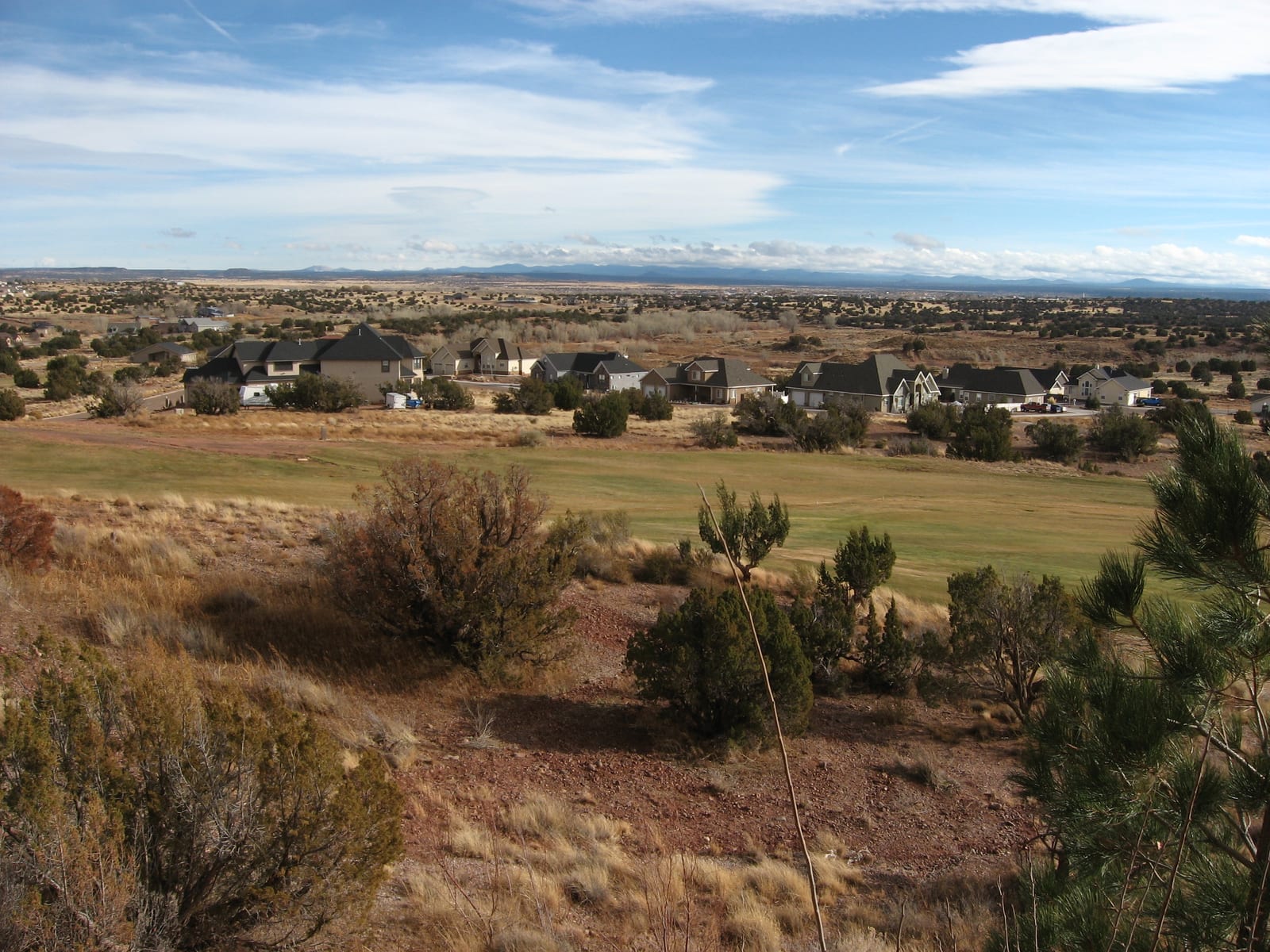
Snowflake's median home price runs well below Show Low, Pinetop, and Lakeside — but the savings are tied to a different setting, a smaller service base, and an ownership model that suits some buyers and frustrates others. Here's when the lower price is genuine value and when it's a warning sign.
If you've been comparing prices across the White Mountains region and noticed that Snowflake looks meaningfully more affordable than Show Low, Pinetop, or Lakeside, you're not wrong. The price gap is real and it's significant. Whether that gap represents genuine value depends on whether what Snowflake offers is what you actually came looking for.
Snowflake's lower price connects directly to a different setting, a different service pattern, and a different ownership model than the more resort-oriented and service-rich communities nearby. When that model fits your life, the savings are real. When Snowflake is mainly a price compromise — a lower number attached to a community you wouldn't have chosen otherwise — the savings tend to matter less than you expected once you're living there.
Quick Answer
Snowflake can be a lower-cost entry point into the broader White Mountains region, with a median home sale price of around $175,000 compared with roughly $270,000–$297,000 in Pinetop and Lakeside. The price advantage is most meaningful when you want what Snowflake actually offers: a high-desert small-town setting, room for space and acreage, and a quieter daily pace at a price that leaves room in your budget. It's a weaker case when Snowflake is standing in for a pine-forest, lake-adjacent, or service-hub market you couldn't afford.
What the Numbers Actually Show
The price gap between Snowflake and its White Mountains neighbors is not marginal.
Snowflake's median home sale price sits around $175,000. Pinetop comes in around $270,000, Lakeside around $297,000, and Show Low around $271,500 — each roughly 55–70% higher than Snowflake. That's a substantial difference at any budget level, translating into real monthly savings, more room for property improvements, or the ability to buy more land for the same total spend.
The property-tax picture may also strengthen Snowflake's carrying-cost advantage. Available effective-rate estimates put Snowflake around 0.38%, compared with roughly 1.67% for Show Low, though actual taxes vary by parcel, assessed value, exemptions, and taxing districts. On a $200,000 property, those estimated rates would imply a difference of roughly $2,600 per year before parcel-specific adjustments. Use that as a comparison signal, then verify the actual tax bill for any specific property you're considering.
As of the March 2026 community market data, Snowflake was categorized as a buyer's market, with median days on market around 85 and a sale-to-list ratio near 100%. That snapshot suggests a more patient market with buyer leverage, but current comps still matter before making an offer.
One cost-of-living source places Snowflake near the national average at 98 (U.S. = 100). Treat that as broad context. The components that affect your household most depend on the specific property type, heating fuel, insurance, and how often regional errands pull you toward Show Low or beyond.
Why the Price Is Lower and What That Means
The price difference reflects real differences in setting, demand, and what each community offers.
Snowflake is a high-desert small town at roughly 5,600 feet, with an open landscape and a quieter, more self-contained character than the forested resort and service-hub communities above it. It doesn't have the pine canopy, lake access, or cabin-market identity that drives premium pricing in Pinetop and Lakeside. It doesn't have Show Low's regional service depth — the hospital, airport, broader retail and service provider depth, and infrastructure concentration that makes Show Low the regional hub. Those differences are exactly why prices are lower, and they're also what you need to weigh honestly before treating Snowflake as a discounted version of something else.
Understanding those differences in depth is worth doing before you commit to the search. The high-desert setting page covers what Snowflake's physical character actually looks and feels like compared with forested White Mountains communities. The community and buyer-fit page covers the social character and what daily life is like there.
What You May Gain by Choosing Snowflake
More land for the money. At the same budget, Snowflake's lower price point often makes it possible to buy more land, a larger lot, or a property with more long-term flexibility than you'd find in more expensive nearby markets. The acreage and property-type page covers what to verify before committing to any of those property types. Purchase price is only part of the picture.
Lower carrying costs over time. The combination of a lower purchase price and an estimated property tax rate well below Show Low's means a Snowflake home can cost meaningfully less to own year over year. For buyers who plan to own long-term, that difference accumulates in ways that the purchase price comparison alone doesn't capture.
A buyer's market with room to negotiate. Homes sitting on the market for around 85 days on average means you have time for thorough due diligence, negotiation, and walking away from properties that don't check out. That's a more comfortable buying environment than the tighter inventory conditions in more resort-oriented White Mountains communities.
A functional small-town base at a quieter pace. Snowflake and Taylor together provide everyday basics — schools, the library, local dining, town services, and civic life — without the resort-town pricing that often accompanies more tourism-oriented mountain communities. If a quieter, more grounded small-town routine is genuinely what you want, that's not a compromise. That's the product.
What You May Give Up Compared With Show Low or Pinetop-Lakeside
The forested mountain setting. If pine trees, lake access, and a cabin-country feel are the reasons you started looking in the White Mountains, Snowflake's open high-desert character won't satisfy that goal. The setting is genuinely different enough that buyers who have their hearts set on the forested feel should keep their search in communities that actually deliver it.
Show Low's service depth. Show Low's regional service base — hospital, airport, MVD, and broader retail and service provider depth — doesn't have an equivalent in Snowflake. If regional services are a regular part of your life, the 20-minute drive to Show Low is manageable, but it's a planning reality rather than a background assumption.
Simplicity on certain property types. A lower-priced rural parcel can look like a strong deal and require considerably more due diligence than a standard in-town home. Road access, water sourcing, utility setup, internet options, and maintenance burden can all vary in ways that affect the real cost of ownership. The purchase price is the starting line, not the finish.
When the Lower Price Is a Real Advantage
The price advantage is genuine when it gives you more of what you want and Snowflake's ownership model fits your desired version of a White Mountains lifestyle.
It works particularly well if you were priced out of Pinetop-Lakeside but don't need dense pines or a cabin-resort identity. If cooler regional access, more room, and a quieter pace are the actual goals, Snowflake may deliver those without requiring you to stretch your budget into a premium setting you don't truly need.
It also works if you want acreage or a larger-lot property and are prepared to verify what the land actually supports. Beyond land area, the value at that end of the market hinges on whether the road access, water sourcing, utility setup, and maintenance reality hold up under scrutiny.
And it works if your income situation already fits a small rural market — remote work, retirement income, self-employment, or a Show Low commute — so the lower purchase price is part of a financial picture that makes sense end-to-end, not just at closing. The income and employment page covers that piece in depth.
When the Lower Price May Point to the Wrong Search
The lower price can be a signal you're looking in the wrong place if Snowflake is on your list mainly because another White Mountains community costs more.
If you want a forested cabin setting, don't evaluate Snowflake primarily on price against Pinetop-Lakeside. Evaluate it on setting: tree cover, neighborhood feel, seasonal character, and what you want to see out the window every day. A lower-cost property in a more open high-desert area won't satisfy a goal that was always about the pines.
If you want Show Low's service depth, price alone won't compensate for the difference in healthcare access, shopping, airport proximity, and the frequency of regional errands. A lower mortgage payment may not feel as valuable if the daily pattern doesn't work for how you actually live.
If you're targeting a low-maintenance property, be especially careful with rural options. A home that looks affordable on paper can become more demanding if road access, utility setup, heating, internet, or property maintenance turn out to be more complicated than the listing suggested.
Best Fit / Less Ideal Fit
Snowflake is a strong fit on price if you want a lower-cost entry point into the White Mountains region and are genuinely open to a high-desert, small-town ownership model. It works especially well if you want more space or acreage potential, a quieter daily routine, lower carrying costs over time, and a buying environment where you have time and leverage to evaluate value carefully.
Snowflake is a harder fit if you want the look and feel of a classic pine-covered mountain town, a lake-oriented second-home market, or Show Low's regional service depth. It may also frustrate buyers who expect every property to carry uniform utility setup, internet reliability, and daily convenience; rural and rural-edge properties in Snowflake require more address-level scrutiny than that assumption allows.
Key Tradeoffs
Lower purchase price versus a different setting. The price gap is real, but it corresponds to a different landscape, a different community character, and a different ownership model. Those differences are why pricing is lower.
Estimated lower property taxes versus a smaller service base. Available effective-rate estimates suggest Snowflake's property tax burden runs well below Show Low's. That carrying-cost advantage is real, but verify the actual tax bill for the specific parcel, and weigh the savings against Show Low's service infrastructure, which Snowflake doesn't replicate.
More land for the money versus more due diligence. Space and acreage are available at Snowflake price points that would buy a fraction of that land in Pinetop or Lakeside. The tradeoff is address-level verification of road access, water sourcing, utilities, and maintenance before the price advantage holds up.
Stable ownership versus resort-demand upside. Snowflake's stronger case is stable, lower-cost ownership, not betting on the same resort-demand pressure that supports some nearby premium markets. If appreciation is a primary goal, compare current inventory, recent sale trends, and buyer demand before assuming the lower entry price creates better upside.
What to Verify Next
Before treating Snowflake's lower price as the deciding factor, verify that the specific property's total ownership cost supports the comparison.
Start with the property setup. Confirm water sourcing, sewer or septic, electric service, propane or heating fuel, trash, and internet at the specific address. A lower purchase price can lose its advantage if utility extensions, well drilling, road work, or access improvements become part of the picture after closing.
Add insurance to the cost calculation early, particularly for rural-edge or acreage properties where wildfire exposure, access, and property condition affect coverage and premiums. Get quotes before you're under contract.
Factor in the carrying cost comparison using actual data. Pull the current tax rates and recent sale prices for properties you're comparing across communities. The directional gap between Snowflake and Show Low or Pinetop is significant, but the specific numbers for each property are what matter for your budget.
And be honest about what you're trading. If Snowflake is giving you the setting, pace, community, and property type you want at a lower price, that's a real win. If it's giving you a lower number in exchange for compromises that will wear on you, the comparison deserves another look before you commit.
Related Local Questions
Is Snowflake more affordable than Pinetop-Lakeside?
Yes, by a significant margin. Snowflake's median home sale price is around $175,000; Pinetop comes in around $270,000 and Lakeside around $297,000. The difference is real. So is the difference in setting; Snowflake is open high-desert rather than forested mountain, with a quieter small-town character rather than a resort or cabin-market identity. The high-desert setting page covers what that distinction means for buyers considering both.
Is Snowflake cheaper than Show Low?
On median home price, yes — Snowflake at around $175,000 versus Show Low at around $271,500. Available effective-rate estimates also suggest Snowflake's property tax burden runs well below Show Low's, though actual taxes vary by parcel and should be verified directly. The tradeoff is Show Low's regional service depth — hospital, airport, broader retail, and MVD access — which Snowflake doesn't replicate. Weigh the monthly cost savings against how often Show Low's services would factor into your daily life.
Will Snowflake work as an acreage buy for the price?
It can, when the specific property has the access, water sourcing, utility setup, and usable land that your plan actually requires. The acreage and property-type page covers the verification steps that determine whether the price advantage holds up at the property level.
Is Snowflake a good substitute for a forested cabin market?
If a forested setting is the core reason you're looking in the White Mountains region, Snowflake is a different product rather than a cheaper version of the same one. Its open high-desert character genuinely suits buyers who want it, but it won't satisfy a goal that was always about tall pines and cabin country.
What surprises buyers about Snowflake's lower price?
The most common surprise is that a lower purchase price doesn't mean simpler ownership. Rural and rural-edge properties in Snowflake often require more address-level verification — water sourcing, road access, utility setup, internet, heating fuel, and maintenance logistics — than an in-town or subdivision home would. The price is the starting line. The full ownership cost picture is what determines whether the value holds.