How Do Buyers Find the Right Property in Snowflake for Acreage, Horses, or Building?
How Do Buyers Find the Right Property in Snowflake for Acreage, Horses, or Building?
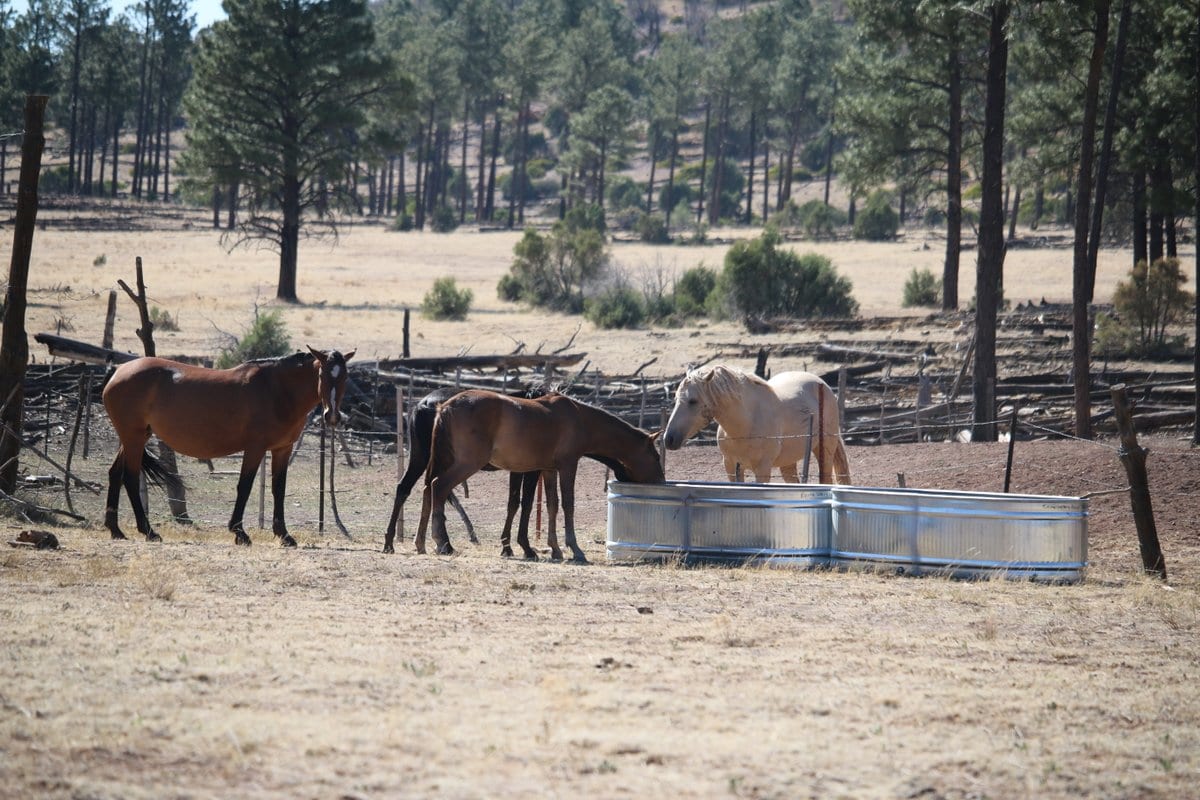
A five-acre parcel, a horse setup, a building lot, and a larger in-town lot can all show up in the same Snowflake search at similar prices — and raise completely different questions about water, access, utilities, and what the land can actually support.
Snowflake draws buyers who want more space than a standard subdivision lot — and delivers it, across a wide range of property types and price points. The challenge is that a five-acre parcel, a fenced horse setup, an in-town home on a larger lot, and vacant land for a future build can all appear in the same search results, priced similarly, and look appealing in listing photos. They raise completely different questions once you start verifying access, utilities, water, terrain, and what the land can actually support.
The first question is not how many acres the property has. It's whether the land has the access, water, wastewater, utility setup, and layout to support the way you plan to use it. Decide what you need the land to do before you fall in love with a specific property.
Quick Answer
Match the property type to your actual plan. Acreage works when you've confirmed road access, water sourcing, utilities, usable land area, and maintenance burden. Horse property needs the infrastructure — fencing, shelter, trailer access, animal water, and a practical daily-care layout — not just open space. A building lot is only useful if access, water, septic or sewer, and site conditions can realistically support your plan. And for many buyers, the strongest fit isn't the biggest parcel. A larger-lot home closer to Snowflake's core gives you outdoor room while keeping services, errands, and daily logistics straightforward.
Why Snowflake Property Searches Split by Intended Use
Many buyers arrive drawn to the same broad idea: more room. But more room means different things depending on what you actually need the land to do.
Privacy and separation from neighbors, horses and livestock, outbuildings and equipment storage, and a future build are all different ownership models, and a Snowflake listing can represent any of them without making the distinction obvious. Buyers comparing Snowflake against forested White Mountains communities may also be surprised to find that the open high-desert setting changes what acreage looks and functions like here: more usable flat land, more sun exposure, and different maintenance demands than a wooded mountain lot. The high-desert setting page covers that distinction in depth.
The practical question isn't bigger versus smaller. It's which ownership pattern fits what you're actually planning to do with the land.
Acreage Buyers: What Changes Beyond Lot Size
More land adds questions that smaller in-town properties don't raise.
Access first. Confirm whether the road is public or private, whether access is legally recorded, and who handles maintenance. A road that looks accessible in dry summer weather can become unreliable after winter storms or freeze-thaw cycles, particularly if you'll be driving it regularly with heavier vehicles or trailers. Verify road type, maintenance responsibility, and any shared-road agreements before you treat a property as reliably accessible.
Then the land itself. Is the usable portion where you need it? Does the parcel shape support your plans? Flat, usable land is generally more available in Snowflake's open high-desert setting than in forested mountain markets, but drainage across open lots still deserves attention. Flood risk isn't uniform across Snowflake. The available floodplain note flags Zone AE along Silver Creek and Zone X in other mapped areas, so buyers near Silver Creek or Snowflake Boulevard should confirm the FEMA flood designation for the specific parcel.
Utilities and water early. Electric service, water source, wastewater arrangement, propane availability, trash pickup, and internet options can all vary as you move from the town core toward larger parcels. Don't assume a Snowflake address farther from town works the same as a standard in-town home. The water picture is specific enough to warrant its own section below.
Water, Wells, and Utilities: The First Snowflake Property Check
Water sourcing is one of the most consequential address-level checks for Snowflake acreage and rural-edge properties.
Town water and wastewater are provided by the Town of Snowflake Public Works Department, with the Water Division drawing from groundwater wells tapping the Coconino aquifer. Town water and sewer service covers properties within the municipal service area, but that boundary doesn't automatically include every property with a Snowflake mailing address. Because Snowflake's municipal system depends on groundwater wells and the town maintains a formal Drought Preparedness Plan, water sourcing should be treated as a property-level due-diligence item, especially for acreage, horse setups, and building lots. Confirm service-area applicability directly with the Town of Snowflake Public Works for any specific address.
Properties outside the service area may involve private wells, shared wells, hauled water, septic, or other arrangements depending on the parcel. For a private well, ask for pump test results, water quality history, well depth, age, and any history of yield issues. For shared well arrangements, review the legal documentation covering access rights, cost-sharing, and maintenance responsibility.
Wastewater. Town sewer serves properties within the municipal boundary. Properties outside typically use septic. Confirm whether the specific property is on town sewer or septic, and if septic, get a full inspection covering condition, capacity, age, and permitting status.
Other utilities. Arizona Public Service (APS) is the electric utility commonly serving the Snowflake area, but confirm service at the specific address. Sierra Propane has a local Snowflake presence and is relevant for homes using propane for heat or appliances. Larson Waste handles local trash collection, though pickup availability for rural-edge and more remote parcels should be confirmed by address.
Horse-Property Buyers: What to Think Through Before Falling for the Setting
A horse property has to support your needs for animals, equipment, weather, access, and daily care beyond having enough land.
Snowflake's open high-desert setting is genuinely practical for many horse and livestock uses: flat, sunny, no dense tree cover to navigate. But the property setup still has to be right.
Start with usable fenced areas. Open acreage without fencing is a significant setup project before the property is functional. Think through turnout, shelter placement, water access for animals, feed and equipment storage, drainage and footing, and whether the daily-chore layout is manageable.
Trailer access matters. A property may have more than enough land and still be impractical if the driveway grade, gate placement, road surface, or turning radius doesn't work for a loaded trailer. Walk that question through before you decide the property works.
Water for animals year-round. Confirm the water source, flow rate, and winter freeze-protection plan for any outdoor water points. Snowflake's January lows average around 20°F, so stock tanks, exposed lines, and outdoor fixtures need to be winter-ready.
Veterinary access. Cedar Ridge Veterinary in neighboring Taylor provides care for horses and livestock. Having local large-animal veterinary support matters when something comes up.
Tour in winter if you can. A layout that feels manageable in May may feel different in January. Cold nights, icy footing, frozen water fixtures, and cold-weather feed and equipment storage are all real ownership factors for this property type in this climate.
Building-Lot Buyers: What Has to Work Before the Land Is Useful
Vacant land near Snowflake can look like flexibility. A building lot is only useful if it can realistically become the property you're picturing.
Before treating any lot as buildable, confirm legal access, utility availability, water source, septic or sewer feasibility, drainage, floodplain zone, and whether site conditions support the type of home you plan to build. A lower purchase price can look less compelling once you add utility extensions, access improvements, grading, site work, or well-drilling costs. The price and value page covers the full ownership cost picture.
Water and septic are the two most consequential checks. If the parcel isn't in the town water service area, determine the water sourcing plan before treating the lot as buildable. For septic, Arizona and Navajo County have site-specific permitting requirements based on soil conditions, drainage, setbacks, and lot configuration. For many vacant or rural-edge lots, a perc test and qualified site or septic review before closing are prudent steps, not extras.
If connectivity matters for how you'll live in the finished home, verify internet provider options for the specific parcel during the inspection period. Community-level coverage data doesn't tell you what a specific vacant lot will support once a home is built on it.
When a Larger-Lot Home Near Town Is the Better Fit
Not every buyer who wants space needs acreage. For many buyers, a larger-lot home or more town-connected property creates a better balance between outdoor room and everyday convenience.
If you want a workshop, garden space, RV parking, or room for a small outbuilding — but also want easier access to local errands, schools, the library, and town services — staying closer to the Snowflake core reduces the road, water, utility, and maintenance unknowns that rural parcels carry.
The honest self-assessment is whether you want space or rural responsibility. They often come together, but they're not the same thing. If you want quiet and room to breathe but don't want to manage private wells, septic questions, unpaved access, or larger-scale property maintenance, a practical larger-lot home is likely the better fit. It’s also probably a better deal once you factor the full cost of rural-edge ownership into the comparison.
Best Fit / Less Ideal Fit
Snowflake works well for this kind of search if you want more space than a standard subdivision lot, are comfortable with a high-desert rural setting, and are willing to verify access, water, utilities, and lot usability at the address level before committing. It rewards buyers who prioritize practical property function over listing descriptions.
Snowflake is a harder fit if you are drawn to land or rural space but aren't prepared to do address-level verification on roads, water sourcing, utilities, drainage, and ongoing maintenance. A lower purchase price doesn't offset the cost of discovering those questions after closing.
Key Tradeoffs
| Property type | What you gain | What requires verification |
|---|---|---|
| Acreage | Privacy, space, long-term flexibility | Road access, usable land, water sourcing, utilities, drainage, floodplain zone |
| Horse property | Room for animals and equipment | Fencing, shelter, trailer access, animal water and freeze protection, daily chore layout |
| Building lot | Control over the finished home | Legal access, water and septic feasibility, utility extension, realistic development cost |
| Larger-lot home near town | More outdoor space, simpler utilities, easier service access | Less land than rural parcels; may limit certain uses |
The right property isn't always the one with the most acreage. Location, water sourcing, service access, and what the land can realistically support factor heavily into which type makes sense for the Snowflake living you want.
What to Verify Next
Acreage: Road type and legal access, water source and documentation, town service boundary applicability, utilities by address, drainage, floodplain zone, and ongoing maintenance obligations.
Horse property: Fencing, shelter, animal water and freeze protection, trailer turning room, footing, drainage, daily chore layout, and whether the property is winter-functional at Snowflake's January lows.
Building lot: Legal access, water sourcing plan, septic or sewer feasibility, perc test if applicable, floodplain zone, utility extensions, site prep requirements, and internet provider availability for the specific parcel.
Larger-lot home: Confirm town water and sewer connectivity at the specific address rather than assuming town proximity means town service. Compare the space you gain against the convenience and cost predictability you preserve.
For income, remote work, and connectivity questions that apply across all property types, the income and employment page covers the broader financial picture.
Related Local Questions
Does every Snowflake property have town water and sewer?
No. Town of Snowflake Water Division and Wastewater Division service applies within the municipal service area, and that boundary doesn't automatically include every property with a Snowflake mailing address. Rural-edge properties, larger parcels, and lots outside town limits may involve private wells, shared wells, hauled water, or septic systems. Confirm the specific property's water source and wastewater arrangement with Town of Snowflake Public Works before assuming town service applies.
Should I be concerned about water supply when buying acreage near Snowflake?
Yes, and it deserves more than a passing question. Snowflake's municipal system draws from groundwater wells in the Coconino aquifer, and the town maintains a formal Drought Preparedness Plan with tiered restrictions for drought conditions. Properties outside the municipal service area rely on private or shared wells. Confirm the water source, legal access rights, and well condition and yield history before treating a rural-edge parcel as ready for your intended use.
Is Snowflake acreage a good fit for horses?
It can be, when the specific property has the infrastructure to support it. Flat, open high-desert land is genuinely practical for horse and livestock use, but fencing, shelter, reliable animal water with winter freeze protection, practical trailer access, and a workable daily-care layout all need to be present or buildable. Cedar Ridge Veterinary in neighboring Taylor provides local large-animal care. Evaluate the property's actual animal infrastructure before treating acreage as the deciding factor.
What's the risk of buying a building lot near Snowflake?
The risk is committing before you've verified that the lot can become what you're picturing. Legal access, water sourcing, septic feasibility, utility extensions, drainage, floodplain zone, and site prep requirements are all address-level questions that listing photos don't answer. A perc test and qualified septic or site review during the inspection period are prudent steps on this kind of property.
Is a larger-lot home better than raw acreage for most buyers?
For buyers who want more outdoor space but don't need animals, outbuildings, or a specific rural land use, a larger-lot home closer to town often makes more practical and financial sense. The utilities are simpler, the maintenance demands are lower, daily service access is easier, and the total cost of ownership is more predictable. Acreage makes the most sense when you have a specific, verified use for the land.
Can I find large-animal veterinary care near Snowflake?
Yes. Cedar Ridge Veterinary in neighboring Taylor provides full-service care for horses and livestock. That's a meaningful practical consideration for buyers evaluating horse-property ownership in the Snowflake area.