What Should Home Shoppers Consider Before Buying Near Old Town Temecula?
What Should Home Shoppers Know Before Buying Near Old Town Temecula?
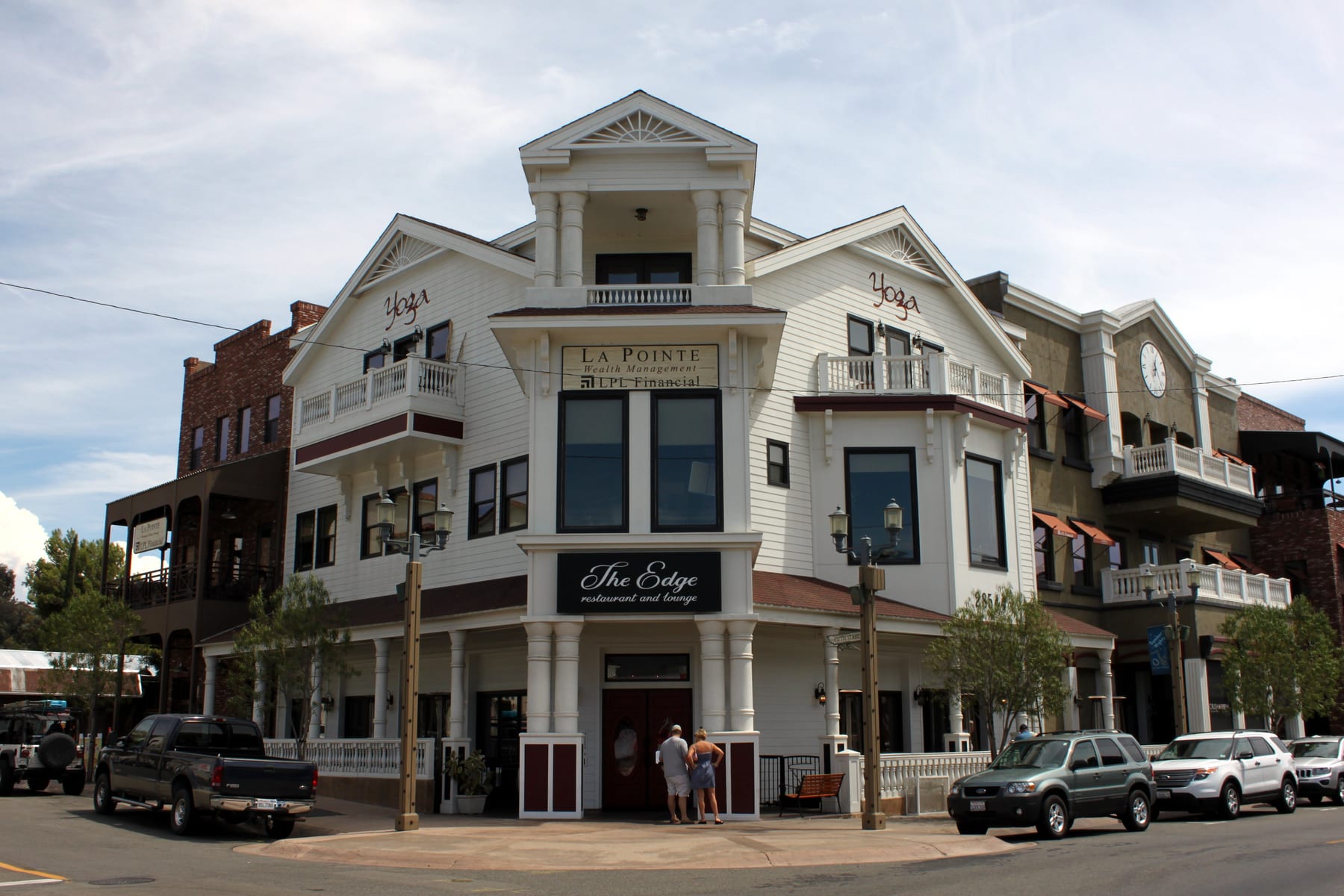
Old Town proximity can put you close to restaurants, events, and central Temecula access. It can also bring more visitor traffic, event parking pressure, and road activity than a typical suburban neighborhood. Whether that tradeoff works depends on whether you want Old Town as part of your weekly routine or simply within easy reach.
Buying near Old Town Temecula means choosing a more active daily ownership environment than a typical suburban neighborhood. The appeal is real: restaurants, events, shopping, local character, and central Temecula access within easy reach. The tradeoff is that street exposure, parking, evening noise, visitor activity, and home condition matter more here than they would in a quieter residential pocket.
Whether that works depends on whether you want Old Town woven into your normal routine or simply reachable on weekends. If the character and convenience are what appeal, proximity can genuinely improve day-to-day life. If your priorities run more toward quiet streets, newer construction, or predictable guest parking, a south Temecula neighborhood, a newer planned community, or a Wine Country-edge setting may be a better match.
Quick answer: Old Town proximity is a daily environment decision
Old Town proximity can be a strong fit for buyers who want central character and regular use of the restaurants, events, and local activity that make Temecula feel more distinctive than a standard Inland Southern California suburb.
The main risk is street-level exposure: parking pressure, evening noise, visitor activity, event-night traffic, and older-home condition all carry more weight here than they would in a quieter residential pocket. Those aren't reasons to avoid the location, but they are things to evaluate before you make an offer.
The most useful rule of thumb: close enough to use Old Town easily almost always outperforms as close as possible. Buyers who land a block or two into a quieter side street often get most of the access with far less of the spillover. Test the specific street during a busy evening or weekend before you decide.
Why buyers are drawn to Old Town-adjacent homes
The appeal is having a place to go that feels meaningfully different from a standard suburban retail corridor. Old Town gives Temecula a stronger sense of local identity than most Inland Southern California suburbs, and nearby living can make that feel like part of daily life rather than an occasional destination.
If you use Old Town regularly, the convenience is real. Dinner plans, weekend events, shopping, coffee, and casual outings with visitors feel easier when you're not planning a full cross-town trip. That matters most for buyers who genuinely want Old Town woven into their week.
Proximity tends to work best when you'd use Old Town often enough for the convenience to register, when a more established neighborhood feel appeals to you over newer planned-community uniformity, and when central access to I-15, Rancho California Road, and Jefferson Avenue is useful for your daily movement. Confirm your drive times from the specific address because the central-positioning advantage is route-dependent.
How Old Town activity reaches nearby streets
Old Town Temecula's regular programming — the Saturday farmers market, Rod Run, Fourth of July parade, Santa's Electric Parade, theater performances at the Old Town Temecula Community Theater, restaurant nights, and holiday events — creates periods where parking demand, foot traffic, and street activity extend well beyond the commercial core. If your home sits on a residential street between a parking area and the activity center, that pattern shows up on Friday and Saturday evenings as part of your normal week.
This is worth testing in person rather than estimating from a map. Three questions are worth bringing to your property visit: Would you use Old Town often enough for the proximity to matter, or would you primarily be paying for a theoretical convenience? Does this specific street feel comfortable when Old Town is busy? Does the home handle parking, noise, and access well enough for your household's routine?
If the answer to all three is yes, the proximity may add real lasting value. If one or more requires significant rationalization, the convenience may look better on paper than it feels at home.
The ownership realities buyers often underestimate
Parking deserves its own evaluation. Near Old Town, you should evaluate parking separately from the home itself: off-street availability, street parking rules and competition, how guest parking works when nearby event or restaurant demand is elevated, and whether the driveway and garage are genuinely functional for daily use. Parking conditions that seem manageable on a quiet Tuesday can look different on a Saturday evening during a farmers market or Rod Run weekend.
You should inspect the home's systems carefully, especially if the property is older or heavily remodeled. Character and condition are separate things. Roof age, HVAC, electrical, plumbing, drainage, windows, insulation, and remodel quality all warrant close attention. The appeal of a central Temecula location is not a substitute for a thorough inspection.
Walkability near Old Town is address-specific. Some properties close to Old Town allow you to walk to restaurants, shops, and events. Most daily errands — groceries, schools, commutes — still require driving regardless of proximity. Evaluate whether walking routes are practical for your specific use patterns before treating walkability as a given.
HOA structure varies more here than in master-planned communities. Some properties near Old Town sit outside the uniform HOA framework of newer planned neighborhoods. Verify whether an HOA exists, what it covers, and what it doesn't cover, especially around parking, exterior modifications, and short-term rentals if those are relevant to your plans.
How Old Town differs from other Temecula location choices
This page is about one specific decision: whether Old Town proximity is the right daily environment for your household. A few boundaries worth keeping clear:
- Old Town proximity is about central convenience, destination-district activity, restaurants, events, parking, noise, visitor traffic, and established commercial character.
- South Temecula is more often shaped by planned neighborhood feel, schools, parks, and a quieter daily rhythm with less destination-district activity.
- Wine Country proximity is a different ownership question: rural-edge feel, views, larger-lot upkeep, road access, fire exposure, and property-specific due diligence. It deserves its own evaluation.
- North Temecula or Harveston-area locations may appeal if you want parks, shopping, freeway access, and planned-community feel without destination-district activity.
For a fuller breakdown of how different parts of Temecula compare on commute, schools, and daily convenience, the areas page covers that in detail.
Best fit / less ideal fit
Best fit. Old Town proximity tends to work best for buyers who want character, central access, and a more active local setting and have confirmed those come through on the specific street. It fits buyers who would use Old Town regularly enough for the convenience to register, who value proximity to a recognizable local anchor, and who are comfortable with the parking, noise, and event-traffic reality that comes with destination-district living.
Less ideal fit. Old Town proximity is a harder case if your top priorities are quiet evenings, newer construction, larger lots, uniform streetscapes, HOA community amenities, or minimal visitor-adjacent activity. If tight parking, evening noise, commercial-edge exposure, or event-related road changes would consistently bother you, proximity is unlikely to feel like a perk after closing. If you like Old Town but don't need it in your daily routine, a location close enough to reach easily — without living inside the activity pattern — is likely the better balance.
Key tradeoffs
| Tradeoff | What it means in practice |
|---|---|
| Central access vs. visitor activity | You may get easier access to restaurants, events, and shopping, but nearby streets can feel busier during evenings, weekends, and Old Town events, especially on corridors that absorb parking spillover. |
| Character vs. condition | Older or more established properties can have real appeal. Systems, drainage, remodel quality, and deferred maintenance need close review independent of how the home presents. |
| Walkable feel vs. car-dependent routine | Some Old Town trips may be walkable from certain addresses. Groceries, schools, commutes, and most errands still require driving for most households near Old Town. |
| Recognizable location vs. narrower buyer pool | Some future buyers will value Old Town access. Others will avoid the same location because of parking, noise, or commercial-edge exposure. Proximity is not automatically a resale premium. |
| Close by vs. as close as possible | A home a block or two into a quieter side street can deliver most of the access benefit with less of the street-level exposure. Closer is not always better here. |
What to verify before making an offer
Visit during busy periods. Old Town events, Friday and Saturday evenings, farmers market windows, holiday programming, and active restaurant periods are more useful benchmarks than a quiet weekday showing. Drive the route, walk the block, and listen from inside the home with windows open during a realistic window.
Check parking under real conditions. Confirm driveway space, garage usability, street parking rules and availability, and how guest parking would work when nearby activity is elevated. Check on a weekend evening, not just during the showing.
Review the home's age and systems closely. Pay particular attention to roof, HVAC, electrical, plumbing, windows, drainage, insulation, and prior remodel quality, particularly on older or heavily renovated properties.
Understand nearby land use. Look at whether the home sits near commercial edges, mixed-use buildings, public parking areas, event corridors, or cut-through routes that get busier on event days.
Verify school assignment by exact address. School assignments must be confirmed for the specific property — don't rely on broad Temecula reputation or campus proximity.
Confirm utilities and internet at the exact address. Verify service type and upload speeds, not just provider availability in the area. This is a must if remote work is part of your household routine.
Related local questions
How close to Old Town Temecula is too close?
There's no universal threshold. The right distance depends on whether the specific street delivers usable convenience without the parking, noise, traffic, or privacy issues you'd resent after closing. For most buyers, close enough to use Old Town easily outperforms as close as possible.
Is Old Town Temecula a walkable place to live near?
Some addresses close to Old Town allow you to walk to restaurants, shops, and events. But Temecula is still largely car-oriented for most daily needs; groceries, schools, and commutes typically require driving regardless of Old Town proximity. Walkability is address-specific and worth testing on your specific use patterns.
Does Old Town activity affect nearby residential streets?
It can, and the effect is address-specific. Restaurant nights, farmers market activity, Rod Run, theater programming, parades, and holiday events all create periods where parking demand, foot traffic, and street activity extend into nearby residential blocks. Test the specific street during a busy evening or weekend before deciding.
Is parking harder near Old Town Temecula?
Parking can be a real consideration near Old Town because of restaurant and event demand, visitor activity, and parking corridor spillover. Assess off-street parking, street rules and availability, guest parking options, and the parking situation during busier periods.
Are homes near Old Town Temecula older?
Some properties near Old Town or central Temecula reflect more established construction than newer planned areas. Older character and low-maintenance ownership don't always go together, so you’ll need to evaluate condition, prior renovations, system age, and maintenance needs directly.
How is Old Town proximity different from Wine Country proximity?
Old Town proximity is about central convenience, destination-district character, restaurants, events, parking, and commercial activity. Wine Country proximity is a different decision, centered on rural-edge lifestyle, views, road access, lot upkeep, fire exposure, and property-specific due diligence. They answer different ownership questions and deserve separate evaluation.
Should I buy as close to Old Town as possible?
Closer is only better if the specific street delivers the convenience you want without the noise, parking, and visitor-traffic realities you'd find frustrating over time. The best distance from Old Town is one close enough that access feels convenient for how often you want to use the amenities without the impact of busy activity patterns outweighing the benefits.