What It's Like Owning a Home Near Temecula Wine Country
What Is It Like to Own a Home Near Temecula Wine Country?
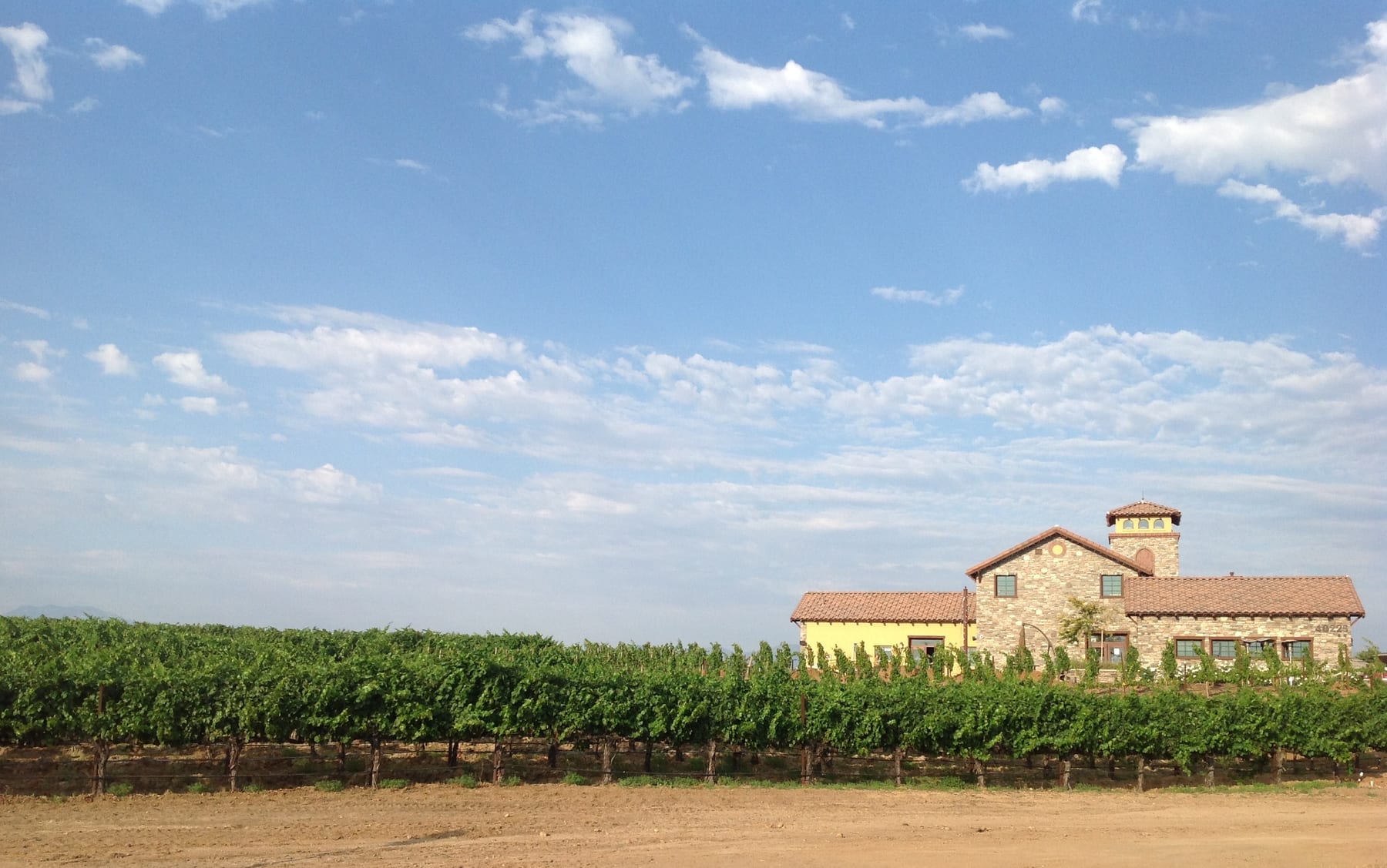
Wine Country proximity can add views, space, and a strong sense of place. It can also bring longer daily drives, larger-lot upkeep, and more event-weekend activity than a Saturday visit prepares you for.
When you're looking at homes on the Wine Country side of Temecula, the appeal is immediate. What takes longer to see is what owning near Wine Country is like the rest of the week: the commute patterns, the parcel upkeep, the event-weekend road activity, the longer verification checklist before closing. Whether Wine Country proximity improves your daily ownership experience or mainly gives you a setting you enjoy on weekends is the real question to answer before making it a priority in your search.
Quick answer: wine country proximity is a lifestyle trade, not a simple amenity
Temecula Wine Country is one of the city's clearest local differentiators. Homes near the Wine Country side of town appeal to buyers who want a more scenic, rural-edge feel without being fully disconnected from schools, shopping, healthcare, and freeway access.
The setting and the daily convenience are two different things. A home with vineyard views or open-space surroundings may also mean more driving for everyday errands, road patterns that shift with visitor traffic, a larger parcel that requires real maintenance attention, and a closer look at fire exposure and insurance before you remove contingencies.
Wine Country proximity usually asks you to trade convenience and predictability for setting, space, views, or a more rural-edge feel. Whether that trade fits how your household runs most weeks is what this page is designed to help you work out.
Why buyers are drawn to wine country-adjacent homes
Wine Country proximity can give a Temecula home a more distinctive setting than a standard suburban neighborhood. Depending on the property, buyers are drawn to vineyard views, rolling hills, more breathing room, quieter streets, outdoor entertaining space, and a sense of connection to one of Temecula's most recognizable lifestyle anchors.
When you're comparing Temecula against more conventional Inland Empire suburbs — or against the more expensive coastal Southern California markets — that distinction matters. Wine Country adds a layer that makes the city feel less interchangeable with its neighbors.
Homes near Wine Country vary considerably. Some sit in established neighborhoods along the Wine Country edge that still read as suburban. Others have a more spread-out or estate-like character. The setting changes quickly by street, lot orientation, slope, and proximity to the main corridors through this part of the city. Rancho California Road, De Portola Road, and Butterfield Stage Road are the primary routes through and around the wine country area, and how a property connects to them shapes the daily experience as much as the views do.
"Near Wine Country" is also not one property type. It can mean a suburban-edge neighborhood, an estate-style lot, a view property, a slope lot, or a more rural-edge parcel. The label covers more variation than it implies.
The ownership tradeoffs buyers often underestimate
Road access matters more than map distance. A home can look well-positioned on a map but be less convenient than you’d expect depending on which roads connect it to I-15, Temecula Parkway, schools, and shopping. Turns, lighting, and two-lane stretches add up across a week of school drop-offs, grocery runs, and commutes. Map distance is a weak predictor of how a location affects your daily driving.
A quiet weekday showing is a poor test. Rancho California Road and the corridors near active winery and event venues can feel noticeably different on a Saturday during a harvest festival, a wedding weekend, or a peak visitor period than they do on a Tuesday morning. Drive the area during a realistic window — a Friday afternoon errand run, a weekend during a busy event period — before finalizing the location decision.
Larger lots add maintenance obligations. A larger lot or hillside view can add value, but it also adds maintenance questions a standard subdivision lot does not raise. Irrigation systems, slope management, brush clearing, fencing, drainage, driveway condition, and tree trimming are recurring costs and effort. Evaluate the whole parcel, not just the structure.
HOA rules vary and deserve direct verification. Roughly 70% of Temecula communities have HOAs, and Wine Country-adjacent neighborhoods are no exception. Rules, restrictions, rental limitations, and architectural standards vary widely by community. If a property sits on a larger lot with agricultural use potential, confirm specifically whether the HOA permits or restricts that use — some communities near the wine country edge have rules that affect how you can landscape, fence, or use your land even on a larger parcel.
Fire, insurance, utilities, and internet: check by parcel, not by area
Some Wine Country-adjacent and rural-edge properties require closer parcel-level review than a standard Temecula subdivision home.
Fire exposure. CAL FIRE's State Responsibility Area FHSZ maps became effective April 1, 2024. Local Responsibility Area recommendation maps were released in phases, with Phase 4 released in March 2025. Parts of the wine country area carry Moderate, High, or Very High designations, but the zone designation is a hazard signal and doesn’t give you a complete insurance-pricing answer. CAL FIRE and OSFM distinguish hazard (what the map evaluates) from risk (which accounts for current conditions, vegetation management, and site-specific factors). Confirm the FHSZ designation for the specific parcel in the current viewer, then verify insurance availability and premium ranges separately. The wildfire risk page covers defensible space, AB 38 requirements at point of sale, and what to verify before removing contingencies.
Utilities and internet. Fiber is available at most Temecula addresses, but rural-edge and hillside properties deserve address-level confirmation. Verify technology type, upload speed, and whether a usable backup connection exists at the specific property — especially if remote work is part of the household routine. Do not rely on provider names or area-level availability claims.
Pricing. Wine Country-adjacent pricing varies considerably by lot size, view orientation, road access, parcel condition, and whether the property sits in a suburban-edge neighborhood or a more rural-edge setting. Verify pricing at the address and parcel level; a single Temecula median does not capture the range across this part of the city.
When wine country proximity beats a standard Temecula neighborhood and when it doesn't
| If you're comparing… | Wine Country proximity usually means… |
|---|---|
| Wine Country vs. Old Town | More rural-edge setting, less destination-district energy. Visitor activity is spread across road corridors rather than concentrated on foot in a commercial district. |
| Wine Country vs. south Temecula | More setting and space potential, often with less everyday convenience depending on the address and its connection to Temecula Parkway and I-15. |
| Wine Country vs. master-planned neighborhoods | More property-by-property variation. Communities like Harveston, Redhawk, Wolf Creek, and Paloma Del Sol offer more predictable daily convenience and clearer HOA parameters. |
| Wine Country vs. central or north Temecula | More scenic identity, potentially longer drives for daily errands and freeway access. |
Wine Country is a trade. For a fuller breakdown of how different Temecula areas compare on commute, schools, and daily convenience, the areas page covers that in detail. The Old Town page covers the destination-district alternative if that's also on your list.
Best fit / less ideal fit
Best fit. Wine Country proximity tends to work best for buyers who want a more distinctive setting than a standard suburban neighborhood and are comfortable with more thorough due diligence than a typical Temecula purchase requires. It fits buyers who value views, outdoor space, quieter streets, and a rural-edge feel without depending on a short commute to I-15 or a tight daily schedule to make the location work. Remote workers are often a strong fit, as long as internet service is verified at the exact address.
Less ideal fit. Wine Country proximity is a harder case for buyers who want the shortest commute to I-15, quick access to schools and daily shopping, lower-maintenance lots, or the predictable amenity structure of a master-planned community. If your plan is to visit a winery a few times a year, a home in south Temecula, Wolf Creek, Morgan Hill, Redhawk, or central Temecula still puts you within easy reach without making Wine Country proximity a daily ownership factor.
Key tradeoffs
| Tradeoff | What it means in practice |
|---|---|
| Setting vs. weekly routine | Wine Country proximity does not make school logistics, commuting, or grocery runs easier. Road patterns between Wine Country-adjacent properties and everyday destinations can add real time to the week. |
| Views and space vs. maintenance | A larger lot or hillside view can add value, but it also adds maintenance questions a standard subdivision lot does not raise; irrigation, slope, drainage, brush clearing, and driveway condition are recurring items. |
| Quiet setting vs. visitor activity | Some Wine Country-adjacent locations are noticeably more active during winery weekends, seasonal events, and peak visitor periods, especially along Rancho California Road. Drive the area on a Saturday before you decide. |
| Rural-edge feel vs. service verification | The farther a property sits from Temecula's core, the more important it is to confirm utilities, internet, FHSZ designation, insurance, and parcel condition at the address level. |
| Wine Country appeal vs. use frequency | If you entertain regularly, work from home, or spend significant time outdoors, Wine Country proximity delivers daily value. If your routine is built around a commute, schools, and urban errands, the setting may be enjoyable on weekends and friction-generating the other five days. |
What to verify before making an offer
Road access. Drive your realistic routes at realistic times: school drop-off in the morning, an errand run on a Friday afternoon, and the area during a busy event or harvest weekend. Pay attention to turns, lighting, two-lane stretches, and how the route to I-15, Temecula Parkway, or your daily destinations looks under the real times and conditions you’ve be driving it.
Event and visitor activity. Visit on a busy weekend before you decide. A street or corridor that is peaceful on a Tuesday may function very differently when winery events, weddings, or festivals are drawing traffic through the area.
Parcel condition. Review slope, drainage, fencing, irrigation, landscaping, driveway condition, and brush coverage, not just the structure itself. The outdoor upkeep a property will realistically require is a meaningful ownership factor, especially on larger or more rural-edge parcels.
HOA rules. If the property is in an HOA, request the CC&Rs and confirm what they permit and restrict, specifically around lot use, landscaping, fencing, agricultural use, and rentals. Wine Country-adjacent HOAs vary considerably in how much latitude they give owners on larger parcels.
Fire zone and insurance. Confirm the current FHSZ designation for the specific parcel and request insurance quotes before removing contingencies. Carrier availability and premium ranges can vary significantly by parcel in this part of Temecula.
Utilities and internet. Confirm address-level serviceability for electricity, water, trash, and internet. For remote work, verify technology type, upload speed, and whether a usable backup connection exists at the property.
Related local questions
Is living near Temecula Wine Country the same as living in a rural area?
Some homes near the Wine Country side of Temecula still feel suburban, while others have a stronger rural-edge character with larger lots, more open surroundings, and longer drives to daily services. The specific property, road access, parcel size, and what surrounds the lot matter more than the Wine Country label.
Is Wine Country convenient for everyday errands and commuting?
Some Wine Country-adjacent addresses connect reasonably well to central Temecula shopping, schools, and I-15. Others require meaningfully more driving for everyday errands, depending on the exact address and which roads connect it to the rest of Temecula. Map distance is a weak proxy for how the location performs in daily use.
Do buyers near Wine Country need to check fire risk and insurance separately?
Yes. Some parcels in this area carry Moderate, High, or Very High FHSZ designations. The zone designation only reflects hazard rating — it does not directly determine insurance pricing, which insurers calculate using their own models. Verify the designation for the specific parcel, then request insurance quotes before removing contingencies.
Does Wine Country proximity affect home prices?
Wine Country-adjacent pricing varies considerably by lot size, view orientation, slope, road access, and parcel condition. Verify pricing at the address and parcel level; the spread within this part of Temecula is wider than a single market median suggests.
Should buyers worry about event traffic near Temecula Wine Country?
It’s worth evaluating before committing. Event and visitor activity affects some roads and corridors more than others. Rancho California Road in particular can feel noticeably different during a busy weekend than on a weekday. Drive the area during a realistic window before you decide.
Is Wine Country proximity better than a master-planned Temecula neighborhood?
Wine Country can offer setting, views, space, and a more distinctive feel. Master-planned neighborhoods like Harveston, Redhawk, Wolf Creek, and Paloma Del Sol offer clearer HOA structure, parks, pools, and more predictable daily convenience. The better fit is the one that matches how your household runs most weeks.