Is Temecula Still a Good Value Compared With Coastal Southern California?
Is Temecula Still a Good Value Compared With Coastal Southern California?
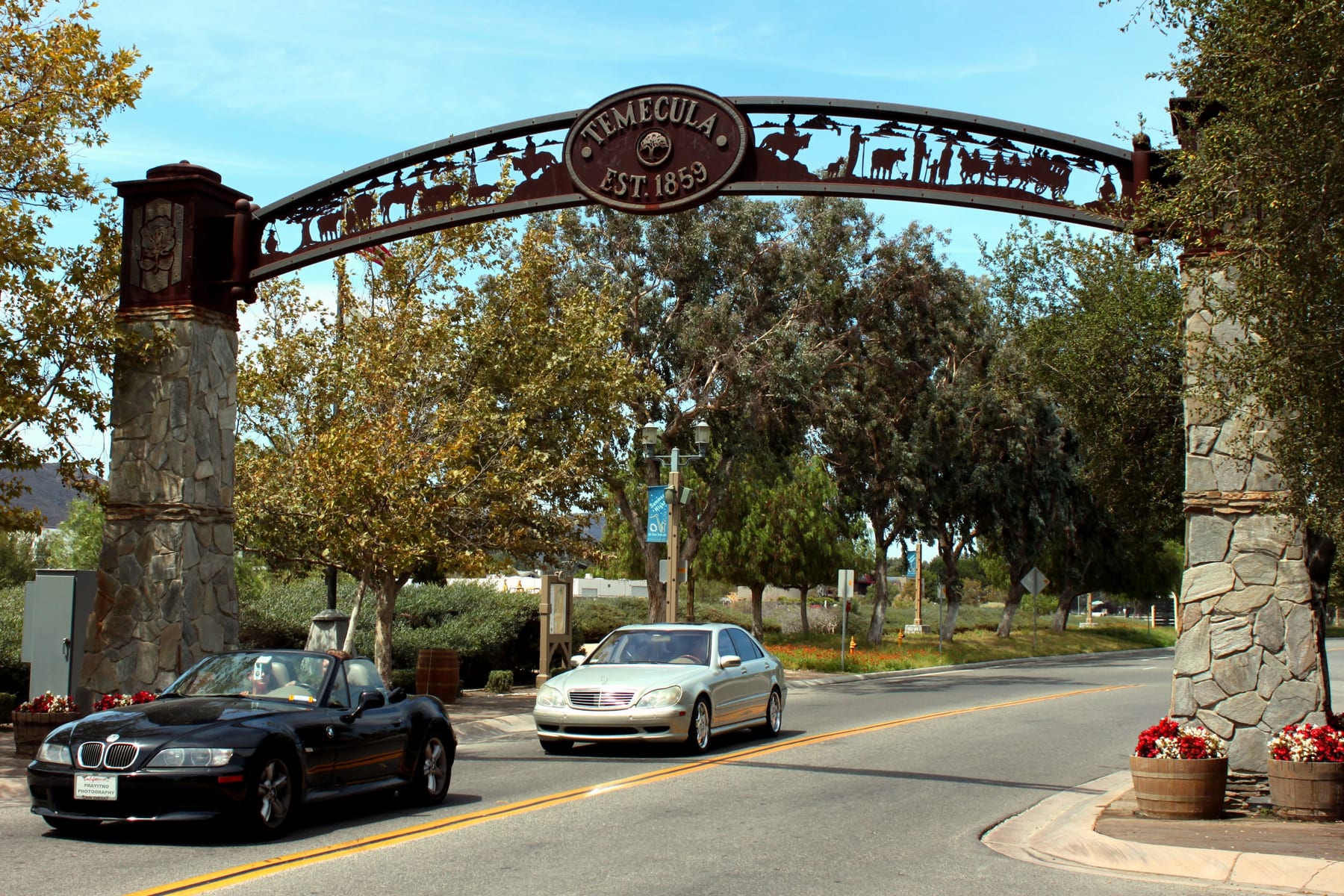
Temecula still offers a comparative advantage over many coastal Southern California markets, but it's a high-cost market in its own right. The value shows up in what you can gain inland at current price points, but it disappears if the commute, heat, and distance from the coast don't work for your life.
Temecula can still be a good value compared with many coastal Southern California markets when the inland move gives you something specific: a larger home, a better layout, more usable outdoor space, a neighborhood structure you prefer, or a lifestyle base you'd use often enough to justify the commute and climate tradeoffs. When those gains aren't clearly present, moving inland may cost more than it saves, even if the purchase price looks better on paper.
Quick answer: Temecula's value is comparative
Temecula compares well against coastal Southern California when you gain a meaningfully better home profile and can live with the inland tradeoffs. The case weakens when commute costs, I-15 dependence, summer heat, insurance, HOA dues, utilities, water use, or maintenance erase the price advantage.
Temecula is still expensive in absolute Southern California terms. Its value is relative, and that relativity depends on what the coastal alternative would actually give you at your budget.
Where Temecula can beat coastal Southern California
More buyers come inland for home profile than for any other single reason: more bedrooms, more square footage, a yard, a garage, office space, guest space, storage, or a planned-neighborhood environment with parks, pools, and community structure. At comparable budgets, those gains are often real.
Beyond the home itself, Temecula has a more recognizable local identity than most inland alternatives. Old Town, Temecula Valley Wine Country, Pechanga, Promenade Temecula, parks, youth sports leagues, and established master-planned neighborhoods give the city a lifestyle profile that functions as part of the value bundle, but only if those anchors actually fit your weekly routine. If you'd rarely use them, the value comparison should lean harder on home profile, commute, and total monthly cost.
Where the value case can fall apart
The commute. The I-15 is the primary corridor in and out of Temecula, and it can be a genuine daily friction point during peak periods — not just on long-distance coastal runs, but within the city itself. Buyers who need predictable daily access to coastal job centers should test the actual drive under their schedule before treating the purchase price as the value story.
Summer heat. Temecula has mild winters and real outdoor-living appeal. Summer is a different calculation. A bigger yard is a value upgrade only if you use it, and that may be less appealing during the months when Temecula is hottest. The home that tours beautifully on a mild spring afternoon may look different as an outdoor-living environment in August. Plan for the inland summer, not the weekend you toured the property.
Total monthly cost. A lower purchase price can still lose its advantage when commute expense, utilities, HOA dues, water use, landscaping, insurance, and maintenance are running. Temecula's appeal often starts with what's visible, such as more bedrooms, a larger lot, or a newer-feeling neighborhood. The less visible monthly line items can change the comparison. Before treating Temecula as the better value, run the full monthly cost against the coastal home you'd otherwise buy. And compare it against the real coastal alternative: the actual property type, commute, and monthly payment available at your budget in the coastal market.
Insurance and fire-zone context. For some properties — particularly those near open space, hillside terrain, or heavier vegetation — insurance can quietly weaken the value case. If a Temecula home looks like a stronger deal than a coastal alternative, address-specific insurance quotes and fire-zone review should confirm the monthly cost still works. The wildfire due diligence page covers what to check.
Why purchase price is only one part of the comparison
Temecula remains a high-cost Southern California market in absolute terms. Its value is comparative, measured against what a coastal alternative at the same budget would provide. A lower purchase price is just a starting point for comparison.
Run the full line-by-line comparison: mortgage, property taxes, insurance, HOA dues, commuting costs, fuel, toll-road use, landscaping, water, maintenance, and time. Two homes at similar prices can produce very different monthly realities depending on commute pattern, lot size, HOA structure, and where each property sits relative to fire-zone and utility-service considerations.
Schools, utilities, and internet in the value comparison
School reputation is part of Temecula's buyer appeal, but district reputation and individual school assignment are separate issues. Boundaries, feeder patterns, program availability, and school commute can vary by address. Confirm the assignment for the specific property before you're committed.
Utility, water, and internet details also vary more by address than city-level summaries suggest. For remote work or a larger lot with irrigation needs, confirm service type, upload speed, water provider, and likely summer utility costs before treating the bigger home or lot as a clean upgrade over your coastal alternative.
Best fit / less ideal fit
Temecula may be a strong fit when you want a larger or more useful home profile than you can comfortably afford in coastal Southern California; you're comfortable with the inland climate and don't need predictable daily access to coastal job centers; you value suburban neighborhood structure, Old Town, Wine Country, and the lifestyle identity that makes Temecula more than a generic inland square-footage play; and you're comparing total monthly cost honestly instead of only looking at purchase price.
Temecula may be less ideal when you need a short, predictable daily commute to coastal job centers; you expect coastal weather and aren't prepared to adjust for hotter inland summers; you're focused primarily on purchase price without having run the full ownership cost comparison; or you want a walkable, transit-oriented lifestyle for most daily needs.
Key tradeoffs
| Question | What to watch |
|---|---|
| Can you get meaningfully more home? | Temecula may offer more bedrooms, yard, storage, or planned-neighborhood structure than many coastal alternatives, but it is still expensive in absolute Southern California terms. |
| Does the commute work? | I-15 dependence can erode the value advantage quickly, especially for daily coastal commutes during peak periods. |
| Will you use the lifestyle anchors? | Old Town, Wine Country, parks, shopping, and events add to the value case when they shape your weekly routine — less so when they're occasional. |
| Does outdoor space function in summer? | Heat, shade, irrigation, water use, and maintenance determine whether a larger yard is a real upgrade or a cost center. |
| Do schools support the decision? | Verify the assigned schools and commute by address — district reputation and individual assignment are different things. |
| Does the risk profile fit your budget? | Insurance, fire-zone context, HOA dues, utilities, and maintenance can narrow the purchase-price gap more than buyers expect. |
| Can remote work support the move? | Confirm internet technology type, upload speed, and reliability at the address before closing. |
| What about airport access? | Ontario, San Diego, John Wayne, and Palm Springs are all reachable. Convenience depends on your routes and schedule. |
What to verify before deciding
Full monthly cost. Go line by line: mortgage, taxes, insurance, HOA dues, utilities, water, landscaping, fuel, tolls, maintenance, and commute-related time and expense. Then compare that against the real coastal alternative at your budget — not an idealized version.
The commute under your schedule. Test the route during the hours you'd actually be driving, in both directions. The I-15 through Temecula can be a genuine daily friction point during peak periods; what looks acceptable on a Saturday may feel different on a Monday morning.
School assignment for the specific property. Look up the assignment for the specific street address and confirm it's current. Don't rely on neighborhood names or district reputation.
Internet service type. If remote work, video calls, or large uploads matter, confirm the technology — fiber, cable, DSL, fixed wireless — not just which providers advertise in the area.
Insurance and fire-zone context. Request insurance quotes before you're close to contingency deadlines. For homes near open space or heavier vegetation, check the current Fire Hazard Severity Zone designation alongside the insurance conversation.
The property in summer conditions. Visit during warmer months if possible, or at least plan for how the yard, cooling costs, and outdoor spaces will actually function in August.
Related local questions
Is Temecula more affordable than San Diego or Orange County?
Often comparatively, but not automatically. Temecula may offer a stronger home profile than many coastal markets, but total ownership cost — commute expense, insurance, utilities, HOA dues, maintenance, and time — needs to be part of the comparison. The purchase price gap can narrow significantly when the full monthly number is on the table.
Is Temecula a good fit if you commute to the coast?
It depends on your work location, schedule, and commute tolerance. Temecula is easier to justify for hybrid, flexible, or Inland Empire-based routines than for schedules that require predictable daily peak-hour access to coastal job centers.
Does Temecula feel like coastal Southern California?
No. Temecula is Southern California, but it's an inland lifestyle market. You may gain space, neighborhood structure, Old Town, Wine Country access, and a strong suburban base. You also accept hotter summers, more car dependence, and different commute realities than coastal buyers are typically used to.
Should you compare Temecula by price per square foot?
It's a useful starting point, but doesn’t fully capture the nuance of the decision. Compare the full home profile, lot usability, commute, school assignment, insurance, utilities, maintenance, and how the property fits your household's routine.
Does Wine Country proximity add real value for Temecula buyers?
It can, especially if Temecula's local identity, scenic setting, and lifestyle appeal are part of why the market interests you. Wine Country proximity is one element of the value bundle — the ownership details deserve their own closer look before treating it as a straightforward premium.
What's the biggest mistake buyers make when evaluating Temecula's value?
Treating purchase price as the complete picture. Temecula's value is comparative and lifestyle-dependent. It works best when the additional home, lifestyle, and neighborhood fit clearly outweigh the commute, climate, insurance, and total ownership cost tradeoffs. If those gains aren't clearly present, the inland move may cost more than it saves.